In the world of commercial building design, raised floors have become an essential feature, especially in data centers, office spaces, and large facilities requiring flexibility in cable management and HVAC systems. Whether you're designing a new building or renovating an existing one, understanding the cost breakdown of raised floors is critical. After all, you want a system that fits your needs without breaking your budget.
In this article, we’ll explore the different factors that impact the cost of raised floors, especially those sold at factory prices. Let us break down the elements that contribute to the overall cost, helping you make a well-informed decision for your upcoming project.
What is a Raised Floor?
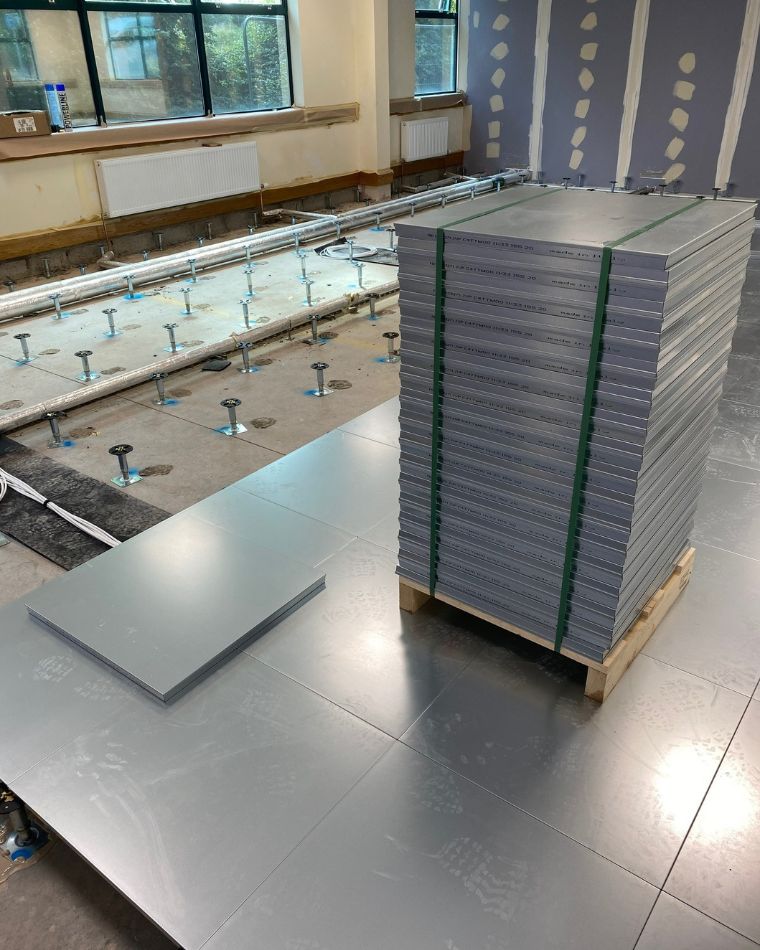
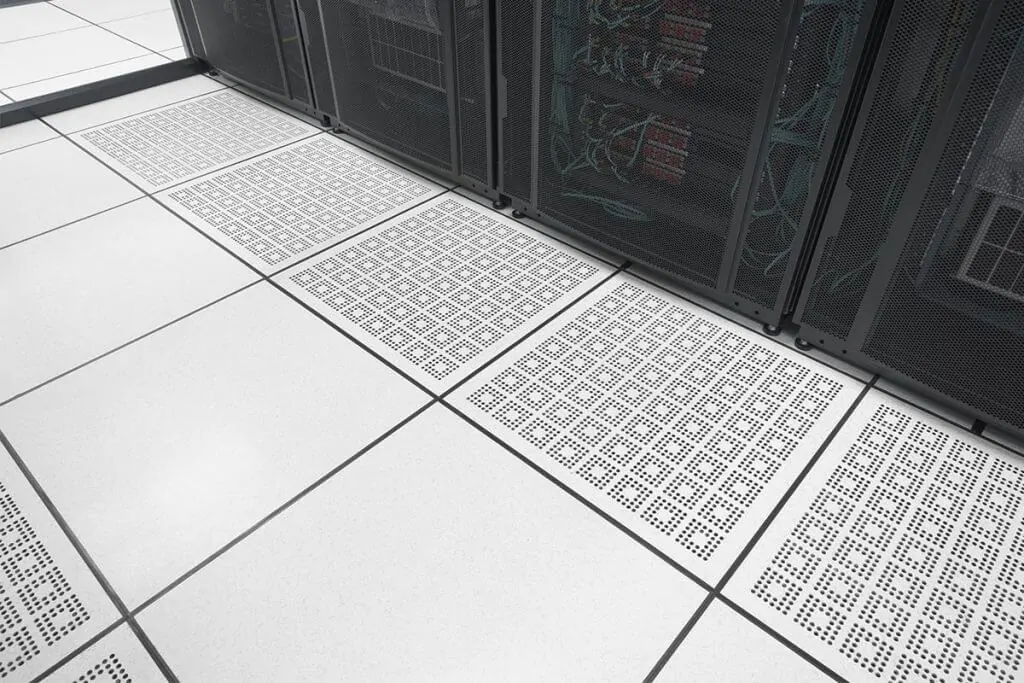
It’s crucial to grasp the concept of a raised floor and its role in commercial environments. Essentially, a raised floor is a system that sits above the building’s original concrete slab, held in place by adjustable supports or pedestals. This creates an open space beneath the floor, often used for housing electrical wiring, cables, and other essential building systems. This space beneath the floor serves as a plenum, which can house electrical cables, HVAC ducts, and other building systems.
A raised access floor system provides easy access for maintenance, flexibility for future changes, and improved airflow – making it a go-to solution for large commercial spaces.
Factors Influencing the Cost of Raised Floors
Several factors contribute to the final cost of a raised floor system. While it may seem like a straightforward addition to a building project, the price varies greatly depending on several key aspects. Let’s explore these factors in detail.
Material Costs
The material chosen for raised floors is one of the key factors affecting their cost. Various materials come with different price ranges, levels of durability, and performance features.
Panel Material
The materials used for the panels themselves can significantly influence the price. Common materials include:
Steel Panels: Steel is durable and commonly used for areas with high traffic or heavy equipment, but it is also one of the more expensive options.
Calcium Sulfate Panels: These are typically more affordable but may not be suitable for heavy loads.
Aluminum Panels:Aluminum panels, known for their light weight and resistance to corrosion, are another alternative, though they tend to be more expensive.
When selecting the material for the panels, it’s essential to consider the specific needs of the space. For instance, data centers often require stronger panels, which can lead to a higher overall cost.
Pedestal Type
The pedestal system is what holds up the raised floor panels. Different pedestal systems affect the cost due to variations in design, material, and weight-bearing capacity.
Basic Pedestals:
Simple, cost-effective pedestals are cheaper but may not support heavier loads.
Heavy-Duty Pedestals:
Used in spaces with high foot traffic or heavy machinery, these pedestals are stronger but come at a premium price.
The pedestals are a critical part of the raised floor system, and their cost can vary based on the load capacity and material used.
Floor Covering Options
The type of floor covering you choose for your raised floor will also affect the total cost. Different finishes offer various benefits, including aesthetics, durability, and ease of maintenance.
Carpet:
Typically the most affordable option, but it may wear out quickly in high-traffic areas.
Vinyl:
Durable, easy to clean, and available in various designs, vinyl is a mid-range option.
Ceramic Tiles or Wood:
High-end floor coverings that come with a higher cost due to their aesthetic appeal and durability.
Choosing the right covering depends on the needs of the space. Areas that require high durability might warrant more expensive options.
Design Complexity
Raised floor systems can be customized to meet the specific needs of a project, or they can be standard. Customized designs often include unique panel sizes, specific load requirements, and special finishes, all of which contribute to a higher cost.
Customized Designs vs. Standard
Customized Design:
This option offers more flexibility but is typically more expensive due to the bespoke nature of the product.
Standard Design:
Pre-manufactured raised floor systems are less expensive but may lack some of the flexibility required in certain spaces.
A customized design adds to the cost, but it might be necessary depending on the complexity of the project.
Load-Bearing Capacity
A raised floor system’s load-bearing capacity determines how much weight the panels and pedestals can support. For instance, areas that need to support heavy server racks or industrial equipment will require floors with higher weight-bearing specifications, which increase the cost.

Floor Height
The height of the raised floor also impacts the price. Generally, the higher the floor, the more materials and more expensive installation will be. A taller floor creates more space for cables, ducts, and other systems, but it also requires additional support structures, leading to higher costs.
Acoustic and Thermal Insulation
Insulation is often integrated into raised floors to improve acoustic properties and thermal regulation. While these features are highly beneficial, they also add to the cost. For instance, soundproofing and thermal insulation can prevent noise and reduce heating and cooling costs in large buildings. These benefits make insulation worth the extra cost for some applications.
Labor Costs and Installation Complexity
Installation is another important factor in the cost of raised floors. Simple systems may be quicker and cheaper to install, while more complex, customized installations may require specialized labor, leading to increased costs. Installation complexity includes factors like:
Site Preparation:
Does the floor need to be leveled or prepared in any special way?
Time and Labor:
More complex systems will require more time to install and thus increase the labor cost.
Quantity of Raised Floor Required
The amount of raised floor required for a project can impact the cost per square foot. Large projects typically benefit from economies of scale, meaning that suppliers often offer bulk pricing and discounts for large orders. If you're ordering a smaller amount, the price per unit might be higher.
Location and Transportation Costs
The location of the project can affect the cost due to transportation expenses. If your project is located far from the supplier’s factory, shipping fees and logistical challenges may increase the overall cost. The more remote the location, the higher the transportation costs.
Brand and Supplier Reputation
The brand and reputation of the supplier also influence the price. Well-established suppliers with a reputation for quality will typically charge more for their products. However, opting for a reputable brand often comes with the benefit of superior quality, customer service, and warranties.
Maintenance and Durability
While opting for a cheaper raised floor system might save you money upfront, it could lead to higher maintenance costs down the line. A high-quality system with durable materials will likely incur fewer repair and replacement costs, making it a more cost-effective choice in the long run.
Eco-Friendliness and Sustainability
More manufacturers are offering eco-friendly raised floor systems made from recycled or sustainable materials. While these floors are often priced higher due to the premium materials used, they are more environmentally friendly and can contribute to a building’s sustainability certifications, such as LEED.
Conclusion
When considering factory price raised floors for your project, it’s essential to factor in all the elements that influence the cost. Materials, design, labor, and location can all play a part in determining the final price. While it may be tempting to opt for the cheapest option, a more expensive, high-quality system may provide long-term savings through durability and lower maintenance costs.
Before making your decision, carefully evaluate your building’s needs, budget, and the long-term benefits of investing in a raised floor system.
Dawn floor have become a key player in the raised access floors, offering durable, flexible, and high-performance solutions. With a focus on ease of installation and long-term functionality, Dawn continues to lead the way in modern flooring solutions.