Introduction
If you’re looking into raised access flooring for your office, data center, or any commercial space, it’s essential to understand the costs involved. Dawn 2026 update offers a comprehensive guide to the pricing factors, so you can make informed decisions based on your needs and budget.
What is Raised Access Flooring?
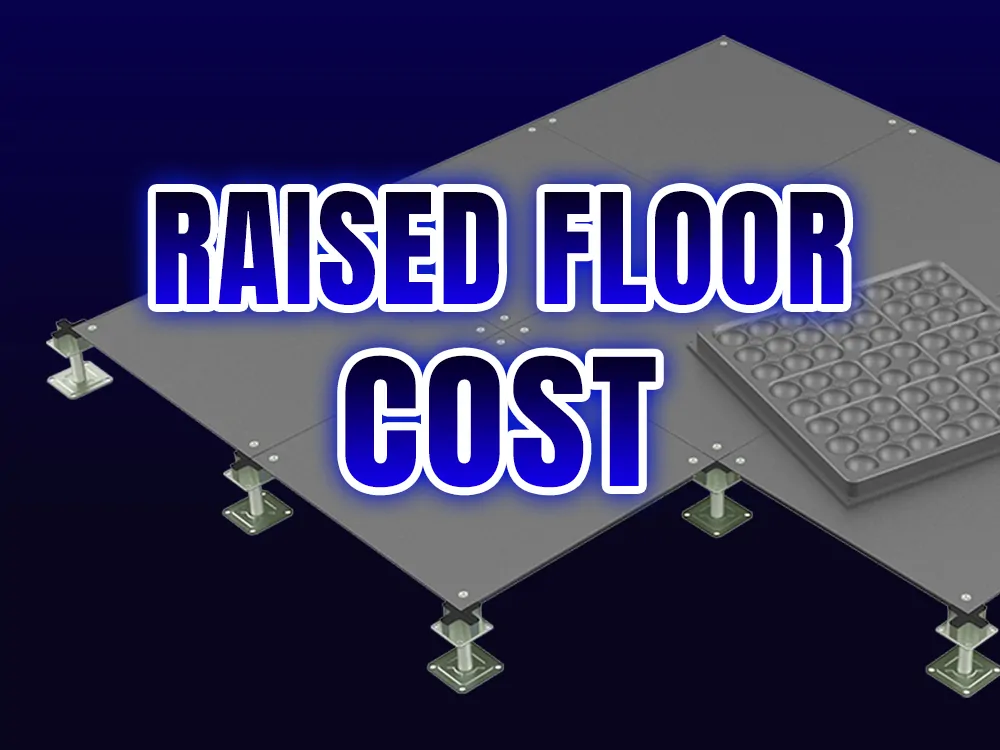
Raised access flooring is a flooring system elevated above the building's subfloor to create a hidden space for routing electrical cables, plumbing, ventilation, and other systems. This system comprises a series of panels that are supported by pedestals.allowing access to the space underneath whenever maintenance or changes are required.
Common Uses for Raised Access Flooring
Raised access flooring is commonly found in commercial buildings, data centers, server rooms, and control rooms. It is also used in healthcare settings where the floor layout is subject to frequent changes. This flooring solution is perfect for areas that need frequent access to underfloor systems, such as networking or electrical components.
Key Factors Affecting the Cost of Raised Access Flooring
When budgeting for raised access flooring, several factors can affect the total cost. Let's take a closer look at these factors to help you understand the pricing structure better.
Material Selection
The material used for raised access flooring plays a significant role in the price. Common materials include:
Steel: Known for its durability and strength, steel panels tend to be on the higher end of the price spectrum.
Aluminum: Aluminum is lightweight and corrosion-resistant, This makes it a popular choice, particularly for environments that are exposed to moisture.
Wood Core: Wood core panels are typically used in office spaces and provide a more affordable option.
Each material has its unique benefits, but the cost difference can vary depending on the quality and intended use.
![Data-Center-Floor-Tile-Cost]()
Floor Height & Configuration
The height of the raised floor system (usually between 6 and 24 inches) directly impacts the cost. Taller floors require more material and are often more complex to install. Additionally, configurations with more intricate designs or custom layouts can increase both material and labor costs.
Load-Bearing Capacity
Raised access floors are designed to carry varying levels of weight. The load-bearing capacity, or how much weight the system can handle, plays a significant role in the pricing. Data centers, for example, They require high-load-bearing systems because of the heavy servers they support.
Customization Options
Customization can add significant cost to raised access flooring systems. Whether it's specialized finishes like anti-static coatings, fire-resistant treatments, or aesthetics, customized flooring will often come at a premium.
Average Pricing for Raised Access Flooring (2026)
Now that we've discussed the major factors that influence costs, let’s explore the current pricing trends.
Standard Pricing for Common Applications
As of 2025, the average cost of raised access flooring per square foot can range from $10 to $40 for standard installations. This range includes the basic materials and installation required for typical office spaces and commercial applications..
For basic office spaces, expect to pay around $12 to $20 per square foot.
For data centers and specialized spaces, the price may increase to $30 to $40 per square foot due to the higher load-bearing requirements and additional customization.
Price Variations by Region
Geography matters when it comes to pricing. For example, installations in metropolitan areas with a higher cost of living (like New York or San Francisco) tend to be more expensive compared to rural areas or places with lower labor and material costs.
Labor costs and the availability of local suppliers can also drive up or down the overall price, This depends on where your project is located.
Comparison: Raised Access Flooring vs. Traditional Flooring
How does raised access flooring compare to traditional flooring in terms of cost? Generally, traditional flooring systems like carpet, tiles, or hardwood are cheaper upfront, but they lack the flexibility that raised access flooring offers. For spaces that require constant updates to cables or systems, the raised floor will provide better value in the long run.
Additional Costs Beyond the Flooring
While the flooring material is the largest expense, several additional costs must be considered.
Installation Costs
The cost of installation is typically $3 to $5 per square foot, but this can increase if the project requires specialized knowledge or customized configurations. Installation involves not only laying the flooring but also ensuring it meets safety standards and is properly supported.
Maintenance and Replacement Costs
Over time, maintenance and occasional replacement of panels or pedestals might be required. It’s essential to factor in these ongoing costs, which could range from $1 to $2 per square foot annually for basic maintenance, not including the potential replacement of damaged or outdated components.
How to Save Money on Raised Access Flooring
There are several ways you can cut costs when installing raised access flooring without compromising on quality.
Choosing the Right Materials
Opting for the right materials for your specific needs can save you money. Wood core panels, for example, might be more affordable than steel or aluminium, yet still provide sufficient durability for most office spaces.
Bulk Purchasing & Discounts
If you're managing a large project, buying in bulk can significantly reduce costs. Suppliers often offer discounts for large orders, helping you to save on both material and shipping costs.
Conclusion
In summary, raised access flooring is a versatile and practical solution for many modern buildings, but it comes with a variety of costs based on your specific needs. By understanding the factors that affect pricing—such as material selection, installation requirements, and customization—You can then make an informed decision and find a solution that fits your budget. Bear in mind that, although the initial costs may seem higher than those of traditional flooring options,the flexibility and long-term value that raised access flooring provides often justify the investment.


