Introduction
When embarking on a construction or renovation project, one of the most crucial decisions you'll make is selecting the right type of flooring. The material you choose impacts not only the aesthetic appeal but also the functionality, durability, and long-term performance of your space. In this article,Dawn will explore three popular flooring options—steel, wood core, and calcium sulfate—to help you determine which is the best fit for your specific needs.
Why Flooring Material Selection Matters
The choice of flooring material is often a reflection of the environment it’s going to be used in. Whether you're renovating a home, furnishing an office or building an industrial facility, the type of flooring you pick plays a significant role in the overall success of the project.
The Impact of Flooring on Project Durability and Aesthetics
Aesthetics are important, but durability is even more critical, especially in high-traffic areas or spaces with specific environmental needs. A good flooring material should be durable, resistant to damage and easy to maintain.
How the Right Flooring Can Improve Functionality
Flooring isn't just about looks; it’s about how the material functions under different circumstances. Commercial spaces, for example, require flooring that can withstand heavy foot traffic., while hospitals may need flooring that resists stains and is easy to clean.
![steel raised-floor1-1]()
Steel Flooring
What is Steel Flooring?
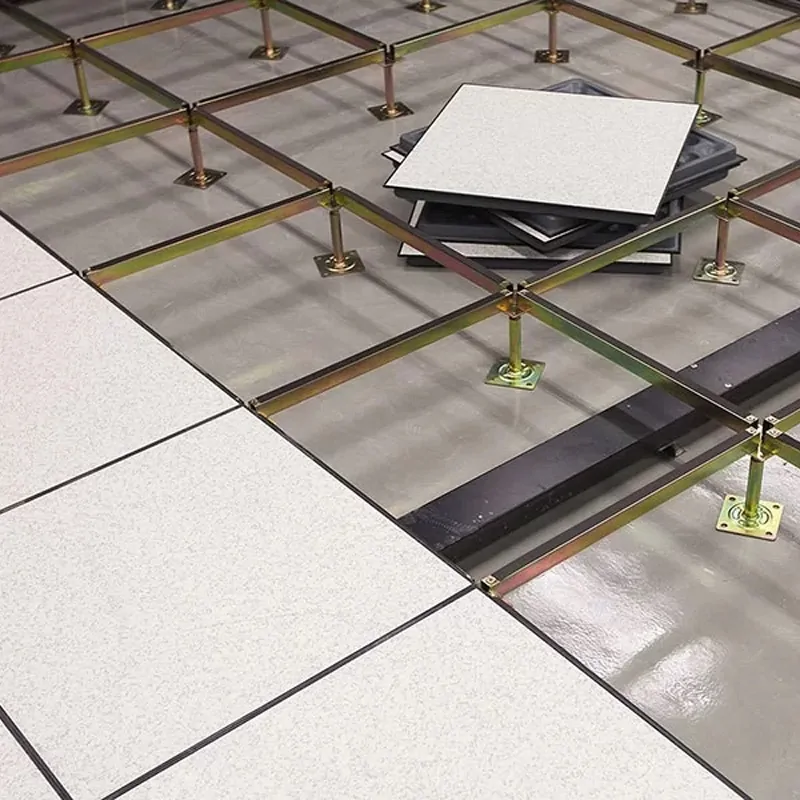
Steel flooring is an engineered material typically used in raised access flooring systems. Made from steel panels, it is designed to be durable, high-strength, and capable of supporting heavy loads.
Benefits of Steel Flooring
Durability and Longevity
Steel flooring is known for its durability. It can withstand significant weight without showing signs of wear, making it perfect for areas that experience high foot traffic or heavy equipment usage.
High Strength and Load-Bearing Capacity
One of the main reasons people choose steel is its superior strength. Steel floors are ideal for industrial and commercial settings, where equipment and machinery are frequently moved across the floor.
Ideal Applications for Steel Flooring Commercial and Industrial Environments
Steel flooring is most commonly used in industrial settings like factories, warehouses, and server rooms. Its strength and resilience make it the go-to choice for environments where flooring needs to endure heavy loads.
Raised Access Flooring Systems
Steel floors are a popular choice for raised access flooring, especially in data centers, where cables and wires need to be hidden beneath the floor for easy access and organization.

Wood Core Flooring
What is Wood Core Flooring?
Wood core flooring consists of a plywood or MDF core layer with a durable finish on top. This option combines the stability of wood with an aesthetic appeal that can suit a wide range of interior designs.
Benefits of Wood Core Flooring Aesthetic Appeal and Warmth
Wood core flooring brings a natural look and feel to a space. It adds warmth and character, which is why it’s commonly used in residential homes and offices where aesthetics play a significant role.
Cost-Effective Option
Compared to steel and calcium sulfate, wood core flooring tends to be more affordable. It provides a beautiful finish at a fraction of the price of more expensive materials.
Ideal Applications for Wood Core Flooring Offices and Retail Spaces
Wood core flooring is perfect for office spaces and retail environments. It’s easy to install and maintain, and its appearance enhances the overall ambiance of the space.
Residential Projects
Wood core flooring is also a popular choice for homes. Whether in living rooms, kitchens, or bedrooms, wood core floors create a warm, inviting environment.

Calcium Sulfate Flooring
What is Calcium Sulfate Flooring?
Calcium sulfate flooring, also known as gypsum or anhydrite flooring, is composed of calcium sulfate as the primary material. It is renowned for its outstanding fire resistance and durability.
Benefits of Calcium Sulfate Flooring Fire Resistance and Sound Insulation
One of the most significant advantages of calcium sulfate flooring is its ability to resist fire. Additionally, it has excellent sound insulation properties, making it ideal for spaces where noise reduction is necessary.
Moisture Resistance
Calcium sulfate is resistant to moisture, making it an excellent choice for areas prone to humidity, such as basements, kitchens, and bathrooms.
Ideal Applications for Calcium Sulfate Flooring Clean Rooms and Data Centers
Due to its resistance to moisture and static, calcium sulfate panel is often used in clean rooms and data centers where environmental control is crucial.
Healthcare and Pharmaceutical Settings
Its non-porous nature makes calcium sulfate flooring suitable for environments like hospitals and pharmaceutical labs, where sanitation is a priority.
Comparing Steel, Wood Core, and Calcium Sulfate Flooring Durability and Maintenance
Steel flooring is unmatched when it comes to durability. It’s highly resistant to impact and damage. Although wood core flooring may not match the durability of steel, it strikes a solid balance between visual appeal and practicality. On the other hand, calcium sulfate flooring is robust in its own way, especially in areas where moisture resistance is essential.
Cost Considerations
Steel flooring tends to be on the pricier side due to its strength and durability. Wood core flooring is the most cost-effective of the three, making it ideal for budget-conscious projects. Calcium sulfate flooring is moderately priced, though the installation and material costs can vary depending on the specific needs of the space.
Aesthetic Considerations
Wood core flooring wins in the aesthetics department, offering a natural, warm look that complements most design styles. Steel flooring, while not visually appealing, excels in functionality and durability. Calcium sulfate flooring has a more industrial look, but its advantages in fire resistance and moisture control make it valuable in certain settings.
How to Choose the Right Flooring for Your Project Factors to Consider Project Requirements and Usage
Think about how the space will be used. If it’s a high-traffic industrial area, steel flooring might be the best choice. For a residential or commercial space where aesthetics matter, wood core flooring could be ideal.
Budget Constraints
Your budget will influence your decision. While steel and calcium sulfate flooring offer excellent durability, they come with higher costs. Wood core flooring is a more budget-friendly option without compromising too much on quality.
Conclusion
Choosing the right flooring material for your project requires balancing durability, cost, and aesthetics. Steel is the best choice for high-strength applications, wood core flooring offers beauty and warmth for more personal spaces, Calcium sulfate flooring stands out in environments that require both fire resistance and moisture management. By recognizing the distinct advantages of each material, you can make the most informed choice for your unique requirements.


