You are here:Home » Learning Center » Understructure Deep Dive: Choosing the Right Pedestal and Stringer System for Seismic Zones
Understructure Deep Dive: Choosing the Right Pedestal and Stringer System for Seismic Zones
Views: 0 Author: Site Editor Publish Time: 2026-03-03 Origin: Site
When building or fixing buildings in areas with earthquakes, choosing the right underfloor system is very important. In particular, pedestal and stringer systems help keep raised floors strong and safe during earthquakes. In this guide, we’ll explain everything you need to know about these systems—what they do and how to choose the best one for earthquake zones.
Introduction
You might not often think about the pedestal and stringer system under your floors. But in earthquake zones, these parts are key to keeping the building stable. The system you choose affects how well the floor holds up during an earthquake. That’s why it’s so important to understand how these systems work and how to pick the right one for your building. This article will help you learn the basics and the main things to think about to make sure your floors are safe and strong.
What Are Pedestal and Stringer Systems?
The Role of Pedestals in Raised Flooring
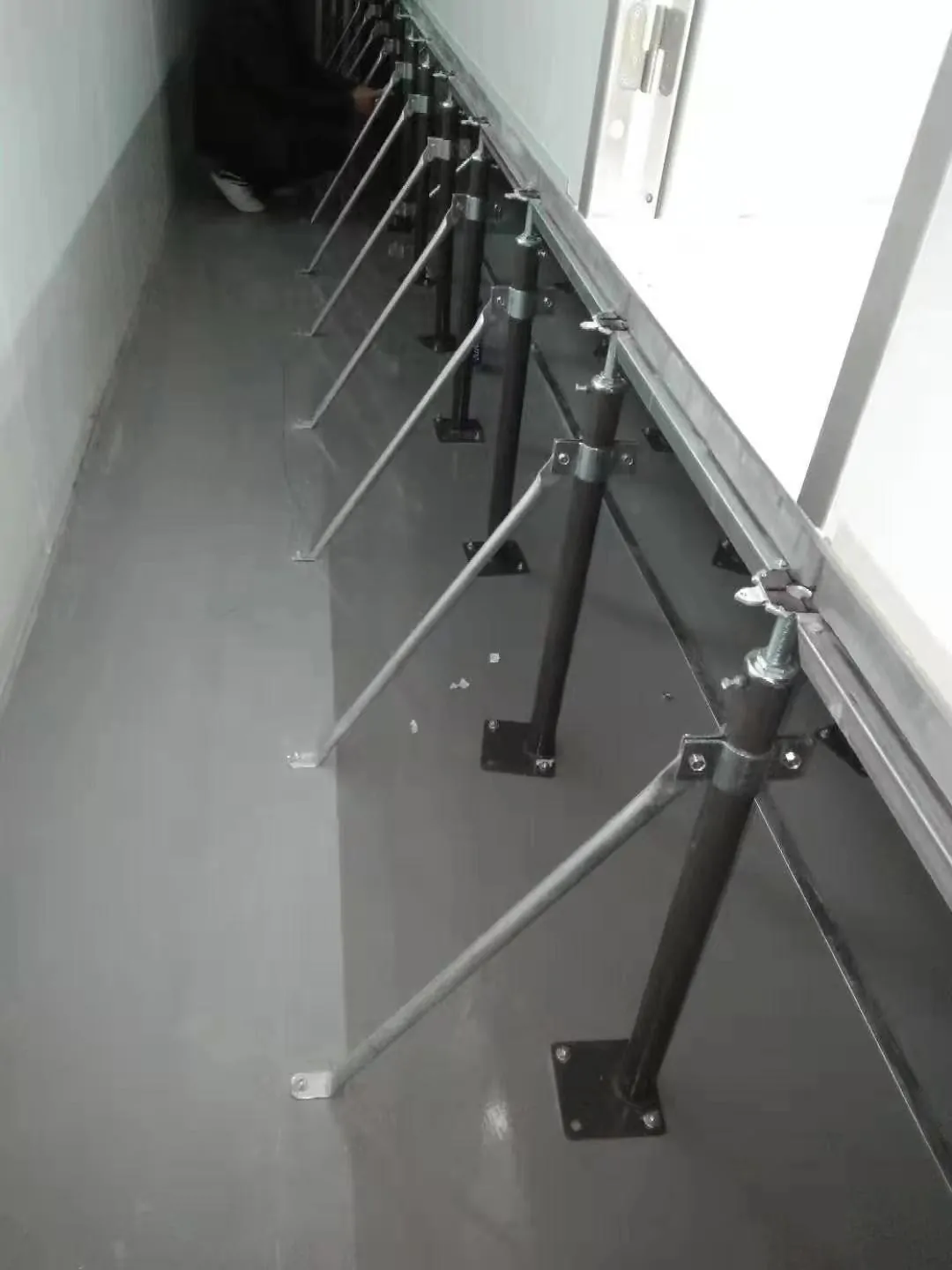
A pedestal system uses vertical supports (called pedestals) to lift the floor above the ground. These systems are common in raised floors, especially in offices, factories, and other large buildings. Pedestals help the floor carry heavy equipment, make it easier to manage cables under the floor, and allow air to flow through.
In earthquake zones, pedestals must be built to handle the strong forces caused by shaking ground. The material and design of the pedestal system are very important. They need to be flexible enough to move a little during an earthquake but still strong enough to keep the floor safe.
Stringer Systems: What Are They and Why Are They Important?
A stringer system uses horizontal supports that connect the pedestals. These supports create a strong frame that holds the floor in place. Stringers give the floor extra strength and stability, especially during earthquakes. Without a good stringer system, the floor could shift, bend, or even fall during strong shaking.
Stringers also help spread the weight evenly across all the pedestals. This prevents parts of the floor from sinking down or bending too much. In earthquake-prone areas, choosing a strong stringer system makes a big difference in how well the floor can handle the stress of an earthquake.
Seismic Zones: What You Need to Know
What Makes Seismic Zones Different?
A seismic zone is an area where earthquakes are more likely to happen. Experts decide these zones by looking at past earthquakes, where the area is located, and things like the type of soil. In these zones, buildings need to be built with special materials and systems that can handle the shaking and absorb the energy from earthquakes.
Knowing which seismic zone your building project is in helps you choose the right underfloor system. Places with higher earthquake risk need stronger systems to keep the building safe and stable.
Seismic Codes and Regulations
Seismic codes are rules that tell builders and designers how to make buildings safe in earthquake zones. These rules explain what materials to use, where to put supports, and how much flexibility the building needs to handle the shaking.
Following these codes helps make sure your building can survive an earthquake and lowers the chance of damage or collapse. The pedestal and stringer system you choose must meet these seismic code requirements to provide the best safety.
Why the Right Understructure Matters in Seismic Zones
Pedestal and Stringer Systems in Seismic Conditions
In earthquake conditions, the underfloor system (pedestals and stringers) needs to be both strong and flexible. Flexibility helps the system move with the ground during an earthquake, while strength keeps the floor in place under heavy stress.
A well-designed system stops the floor from shifting or falling apart. This protects the building and the people inside. If the system is not good enough, it could cause serious problems like cracked floors, uneven surfaces, or even a floor collapse.
Risks of Choosing the Wrong Understructure System
Picking the wrong pedestal or stringer system for an earthquake zone can lead to big problems. A poorly designed system may not handle the strong forces of an earthquake. This can cause the floor to fail, damage to the building, or worse. Using the wrong materials or installing it incorrectly could make the whole building unsafe.
Key Factors to Consider When Choosing Pedestal and Stringer Systems
Material Strength and Durability
When picking a pedestal and stringer system, material strength is very important, especially in earthquake zones. Steel and concrete systems are often the best choice because they can hold heavy loads and last a long time. For example, concrete pedestals are good at handling pushing forces, while steel stringers can bend slightly and handle pulling forces during an earthquake.
The durability of the materials also means the system won't break down or get weak over time. This matters a lot in earthquake areas where the ground may shake many times over the years.
System Flexibility
Flexibility is key in earthquake zones because it lets the system move and adjust with the shaking ground. If a pedestal and stringer system is too stiff, it might crack or break when the ground moves. Systems that can bend a little without losing strength are best for surviving earthquakes.
Height Adjustment Capabilities
In earthquake areas, being able to adjust the height is very useful. This helps the system deal with small shifts or settling that can happen over time. Adjustable pedestal systems are common in earthquake zones because they let the floor stay level even when the ground below moves or changes.
Best Pedestal and Stringer Systems for Seismic Zones
Concrete Pedestal Systems
Concrete pedestal systems are known for being strong and stable. They can hold very heavy loads, which makes them a good choice for earthquake areas. However, they don't bend or move as easily as some other materials.
Pros and Cons for Earthquake Use:
Good points: Very strong, last a long time, can handle heavy weight well.
Bad points: Not very flexible, heavy, may need special skills to install.
Steel Pedestal and Stringer Systems
Steel pedestal and stringer systems offer a good mix of strength and flexibility. This makes them a great choice for earthquake areas. Steel can bend and move with the shaking without breaking. It also resists rust, which helps keep the system strong for many years.
This website uses cookies and similar technologies (“cookies”). Subject to your consent, we will use analytical cookies to track which content interests you, and marketing cookies to display interest-based advertising. We use third-party providers for these measures, who may also use the data for their own purposes.
You give your consent by clicking "Accept all" or by applying your individual settings. Your data may then also be processed in third countries outside the EU, such as the US, which do not have a corresponding level of data protection and where, in particular, access by local authorities may not be effectively prevented. You can revoke your consent with immediate effect at any time. If you click on "Reject all", only strictly necessary cookies will be used.