Introduction to Perforated Raised Floor Panels
When it comes to modern architecture, especially in data centers or large office spaces, perforated raised floor panels play an important role in maintaining airflow and efficiency. But what exactly are these panels, and why are they so important? In this guide, we'll dive into the benefits, airflow rate, and how to select the best perforated panels for your needs.
What Are Perforated Raised Floor Panels?
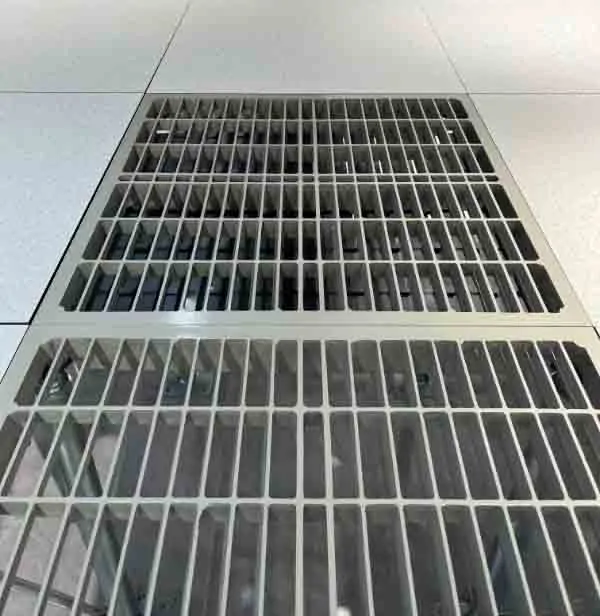
Perforated raised floor panels are tiles installed within a raised floor system featuring holes or slots on their surface. These openings channel airflow from the plenum space beneath the floor to the room above. These panels help direct cool air to areas where it's most needed, typically server rooms or offices with high equipment density.
Why Are Perforated Raised Floor Panels Important?
In environments such as data centers or server rooms, maintaining consistent temperature and airflow is critical. Perforated panels precisely direct cool air to equipment requiring cooling, effectively preventing overheating and thereby improve whole energy efficiency.
Benefits of Perforated Raised Floor Panels
Improved Airflow and Ventilation
One of the important advantages of perforated raised floor lies in their ability to significantly enhance airflow circulation. By directing conditioned air from the air wells upward into the working area, these panels effectively promote space ventilation. This characteristic is particularly critical in environments with high-density equipment installations and substantial heat generation.
Enhanced Cooling Efficiency
With perforated panels, cooling systems become more efficient. Instead of relying on traditional overhead air conditioning, air can be directed precisely where it's needed—near the heat source. This targeted cooling lowers energy consumption and ensures that equipment remains within optimal operating temperatures.
Cost-Effective Solution for Data Centers
In data centers, cooling costs can represent a significant portion of the overall operating expenses. By using perforated raised floor panels, facilities can reduce energy usage and lower their utility bills. The airflow design helps cooling units work more efficiently, reducing the need for costly air conditioning systems.
Increased Flexibility in Office Spaces
In office environments, perforated raised floor panels offer the flexibility to change layouts without disrupting airflow or ventilation. As companies grow, their needs change, and these panels allow easy reconfiguration without compromising the cooling or ventilation system.
Easy Cable and Equipment Management
One of the added advantages of a raised floor system is the space it provides for cable management. With perforated panels, you can easily run cables under the floor without obstructing airflow. This ensures that cables remain organized and accessible, minimizing clutter and improving safety.
![25% raised floor]()
Airflow Rates: Understanding the Importance
What is Airflow Rate?
The airflow rate refers to the volume of air that moves through the perforated panels per unit of time. It's typically measured in cubic feet per minute (CFM) or liters per second (L/s). Understanding airflow rates is essential when selecting the right panels for your needs.
How Perforated Panels Impact Airflow Rates
The more holes or slots a panel has, the more air it can allow to pass through. The perforation pattern can vary—some panels feature circular holes, while others have slotted or diamond-shaped designs. The design and density of these perforations will directly affect the airflow rate.
Measuring Airflow Through Raised Floor Panels
To measure airflow, you can use specialized tools like an anemometer, which measures air speed, or a differential pressure gauge. By calculating the amount of air passing through the panels, you can ensure that the cooling system is performing optimally.
Factors Affecting Airflow Rates in Raised Floors
Several factors influence the airflow rate of perforated panels, including the size and pattern of the holes, the speed of air movement in the plenum, and the pressure differentials between the plenum and the room. It's essential to consider these factors to ensure you have the right balance of airflow in your space.
![46% raised floor]()
How to Select the Right Perforated Raised Floor Panels
Material Considerations
When selecting perforated raised floor panels, the material is critical for durability and strength. Common materials include steel, aluminum, and glass, with steel being the most common due to its strength and cost-effectiveness. Each material has its pros and cons depending on your specific needs.
Panel Design and Perforation Patterns
The design of the panel and the perforation pattern significantly impacts airflow. For example, square or round perforations offer different airflow characteristics. It's essential to choose a panel design that suits the cooling requirements of your space.
Load Capacity and Durability
The load capacity of the panel is another crucial consideration. Make sure the perforated panels can handle the weight of any equipment or furniture in the room. Also, ensure the panels are durable and resistant to wear and tear, particularly in high-traffic areas.
Aesthetic Considerations
While functionality is key, the aesthetics of your raised floor system matter too. Choose panels that complement the overall design of the space. You can find perforated panels in different finishes and colors to match your interior design.
Budget and Cost Considerations
Your budget will play a role in your selection. While high-quality perforated panels may cost more initially, their energy-saving potential and long-term durability often make them a more cost-effective solution in the long run.
![56% raised floor 拷贝]()
Best Practices for Installing Perforated Raised Floor Panels
Planning the Layout for Optimal Airflow
Before installation, ensure the layout of the perforated panels allows for optimal airflow. Strategically place the panels in areas that require the most cooling, and avoid blocking them with large furniture or equipment.
Installation Tips for Maximum Efficiency
During installation, ensure panels are securely positioned and properly aligned. Proper sealing and insulation around the panels helps maintain airflow efficiency, prevent air leakage, and optimize performance.
Conclusion: Why Choose Perforated Raised Floor Panels?
In summary, perforated raised floor panels offer a practical and cost-effective solution for managing airflow and cooling challenges in high-density equipment spaces. Their advantages span multiple areas—from enhancing airflow and cooling efficiency to increasing flexibility in office layouts. By carefully evaluating factors such as material, design, and airflow rate, you can select the suitable panels for your space, ensuring peak performance.
Whether configuring a data center, upgrading office environments, or planning new spaces, perforated raised floor panels are an indispensable core component. They effectively manage airflow, reduce cooling costs, and create a more comfortable and efficient working environment.


