What Is Static Control and Why Does It Matter?
Have you ever walked across a carpet, reached for a doorknob, and felt a sudden zap? That little shock might seem harmless—but in the wrong environment, it can be a big problem. In places with sensitive electronic equipment, even a tiny spark can cause serious damage or system failure.
That’s where anti-static flooring comes in. In this article, we’ll explain the science behind static control in simple terms, how anti-static flooring helps prevent those dangerous sparks, and why it’s essential for protecting your valuable equipment.
What is Static Electricity?
Static electricity is basically a tiny bit of electrical energy that gets trapped on the surface of things. It happens when two materials, like your shoes and the floor, rub together and move tiny particles called electrons. One material ends up with too many electrons, and the other doesn't have enough. This creates a hidden energy that's just waiting to escape. When it does, you feel it as a small shock or even see a tiny spark.
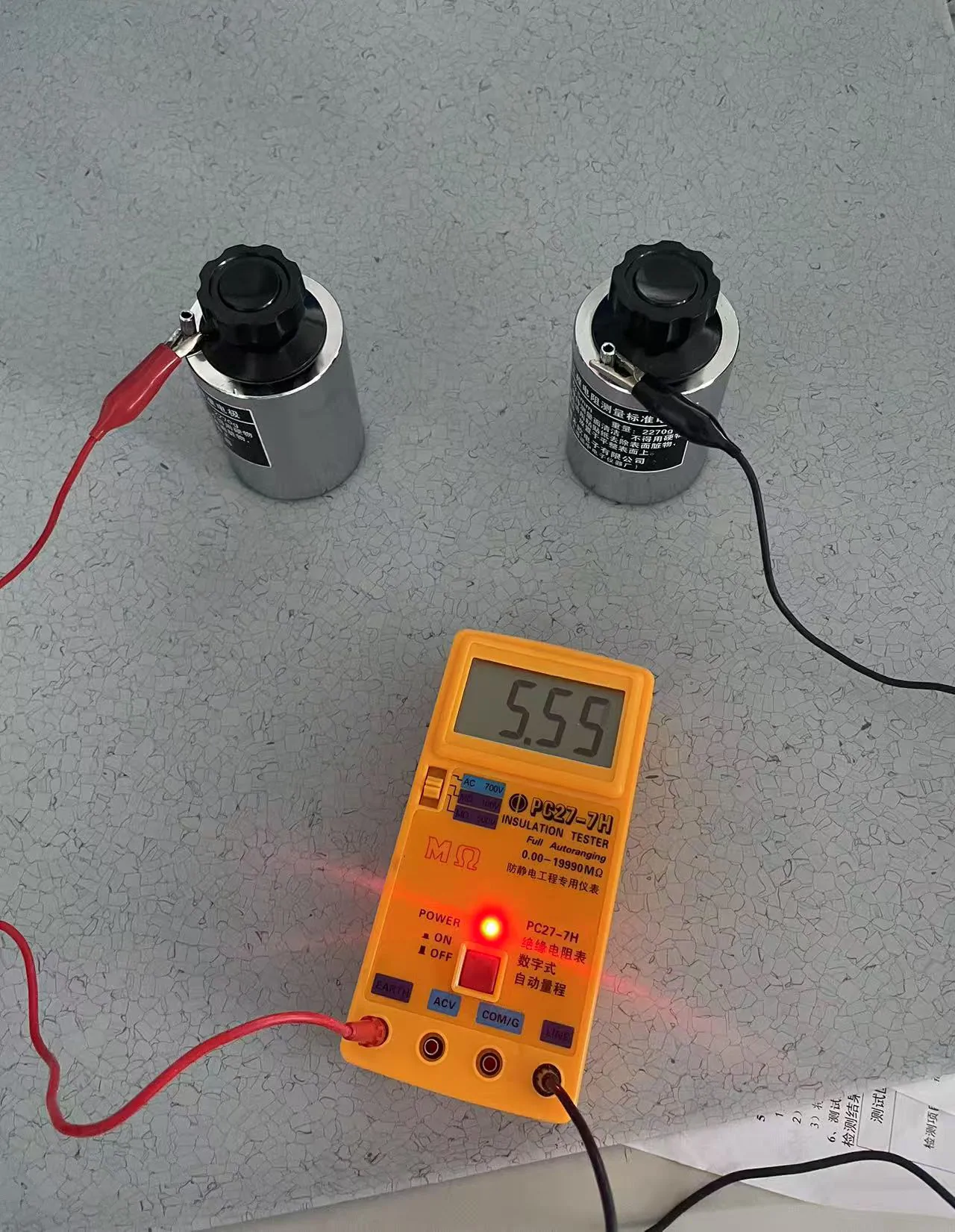
Why Static Electricity Is More Than Just a Tiny Shock
You might think static electricity is no big deal—just a little zap here and there. But in the wrong place, at the wrong time, that tiny spark can cause real trouble. In environments filled with electronics and sensitive equipment, static discharge can damage components, crash systems, or even start a fire in extreme cases.
What's at Risk?
Some of the most static-sensitive equipment includes:
Computers and Servers: The delicate parts inside can be fried in an instant by a single spark.
Circuit Boards: Even a small static burst can destroy the tiny pathways that make them work.
Hard Drives and Memory Modules: These are especially vulnerable and can fail without warning after static exposure.
Real-World Examples of Static Damage
In industries like electronics manufacturing, static electricity isn't just a small annoyance—it's a multimillion-dollar problem.
Imagine this: a single invisible spark can wipe out an entire batch of brand-new motherboards in seconds. Or it can silently damage precision tools on a production line, tools that cost thousands of dollars to replace.
What makes static damage especially tricky? You might not even know it happened. A component could pass initial testing, only to fail weeks or months later. That means unexpected downtime, frustrated customers, and costly repairs down the road—all because of a spark you never saw.
How Anti-Static Flooring Works
Anti-static flooring is designed to do one important thing: stop static electricity from building up in the first place.
Think of it like a lightning rod for your floor. Instead of letting static charges pile up until they find something to zap, anti-static flooring gives those charges a safe, controlled path to flow away. This way, they never get the chance to reach—and damage—your sensitive equipment.
Conductive vs. Dissipative Flooring
There are two main types of anti-static flooring: conductive and dissipative. They both aim to control static, but they handle it a little differently.
| Type | How It Works | Best For |
| Conductive Flooring | Moves static electricity very quickly, like water rushing through a wide pipe | Areas where static needs to disappear almost instantly |
| Dissipative Flooring | Releases static more slowly and gently, like water flowing through a narrower path | Spaces with more sensitive electronics that need extra protection |
The simple difference: Conductive flooring is the express lane for static—fast and direct. Dissipative flooring is the calm, steady route—slower and more controlled.
Conductive Flooring Explained
Think of conductive flooring as the express lane for static electricity.
It gives electrical charges a direct, super-fast route straight into the ground. Static doesn't get a chance to hang around or build up—it's gone in an instant. That's why you'll usually find conductive flooring in high-risk environments where even the tiniest spark could be a disaster, such as:
Clean rooms (where sensitive components are handled)
Electronics assembly lines (where motherboards and circuits are made)
munitions or chemical facilities (where sparks could trigger explosions)
In short: When static needs to disappear immediately, conductive flooring is the answer.
Dissipative Flooring Explained
Dissipative flooring works more like a slow-release valve.
Instead of rushing static straight to the ground, it lets charges bleed away gradually and gently over time. Think of it as controlled, steady drainage rather than a sudden dump. This makes it perfect for spaces where static isn't likely to build up to dangerous levels, but still needs to be kept in check, such as:
Server rooms (where computers are running 24/7)
Offices with lots of electronic equipment
Network operation centers (where unexpected shutdowns aren't an option)
In short: When static needs to be controlled gently and steadily, dissipative flooring is the better fit.
Quick Comparison
| Feature | Conductive Flooring | Dissipative Flooring |
| How fast? | Lightning quick | Slow and steady |
| Path to ground | Direct and short | Controlled and gradual |
| Best for | High-risk areas (clean rooms, assembly lines) | Everyday electronics spaces (server rooms, offices) |
| Think of it as | The express lane | The calm, steady flow |
Materials Used in Anti-Static Flooring
Anti-static flooring comes in a variety of materials, each with its own advantages and suitability depending on the environment.
Rubber Flooring: A flexible and durable option often used in laboratories or high-tech environments.
Vinyl Flooring: A more common and cost-effective solution, especially in larger office spaces.
Epoxy Coatings: Used for permanent installations, particularly in industrial settings.
How These Materials Work
So how do these floors actually stop static? It all comes down to what they're made of.
Manufacturers add special ingredients to standard flooring materials to give them static-controlling superpowers:
Rubber flooring often has a thin layer of carbon built into it. Think of carbon as a highway that static electricity can travel on—it guides charges safely away instead of letting them pile up.
Vinyl floors have special additives mixed throughout the material. These ingredients work like tiny bodyguards, constantly keeping static from building up on the surface.
Epoxy coatings (the tough, glossy finishes you see on many industrial floors) are mixed with conductive agents. This turns what would be an ordinary coating into a static-fighting shield.
The bottom line: Whether it's carbon highways, additive bodyguards, or conductive shields, these materials all do the same thing—they give static somewhere safe to go.
Benefits of Anti-Static Flooring
Why bother with anti-static flooring? For industries that depend on sensitive electronics, the benefits go way beyond just avoiding a little zap.
Enhanced Safety in Work Environments
Let's start with the most important benefit: keeping people safe.
When static builds up, it doesn't just threaten equipment—it can also surprise workers with unexpected shocks. In some environments, that sudden flinch or jump could lead to accidents. And in extreme cases, a spark in the wrong place (like near flammable materials) could be truly dangerous.
Anti-static flooring removes that risk entirely. By giving static a safe path to the ground, it:
Protects workers from unpleasant or startling shocks
Prevents accidents caused by sudden reactions to static zaps
Creates peace of mind so employees can focus on their work, not on whether the next doorknob will bite back
In high-tech environments—where clean rooms, server floors, and assembly lines are full of expensive gear and focused workers—safety isn't just a nice-to-have. It's the foundation of everything. And anti-static flooring is a big part of making that foundation solid.
Long-Term Cost Efficiency
The investment in anti-static flooring can save companies a significant amount of money over time. Reducing the risk of equipment failure means fewer repairs and replacements, ultimately saving both time and money. Preventing static-related damage can also avoid costly downtime and production delays.
![Dawn raised floor]()
Choosing the Right Anti-Static Flooring
Selecting the right anti-static flooring is crucial for ensuring the proper protection of your equipment and workspace.
What to Look For: Thickness, Resistance, and Compatibility
When selecting anti-static flooring, you’ll need to consider several factors, including the thickness of the material, its resistance to static buildup, and how well it fits into your existing setup. The floor should provide enough resistance to control static but not so much that it hinders its ability to discharge safely.
The Role of Flooring in ESD Control
The layout and maintenance of your flooring play a huge role in how well it controls static. Ensure that the flooring is properly grounded and that it is maintained regularly to ensure its effectiveness over time.
Maintenance of Anti-Static Flooring
Installing anti-static flooring is a smart move—but it's only half the story. To keep it working the way it should, you need to take care of it. The good news? A little regular attention goes a long way.
Think of it like owning a car. You don't just drive it off the lot and forget about it. You change the oil, check the tires, and give it a wash now and then. Your anti-static floor is no different.
Cleaning Tips for Anti-Static Floors
Keeping your floor clean isn't just about looks—it's about performance. Dust, dirt, and grime can actually get in the way of your floor's ability to control static.
Here's what to keep in mind:
Skip the harsh chemicals. Some all-purpose cleaners contain ingredients that can damage the special static-control properties of your floor. If it smells strong enough to strip paint, it's probably too harsh.
Use the right stuff. Stick to anti-static cleaning products made specifically for this type of flooring. They're designed to clean without interfering with the floor's ability to do its job.
Don't let dirt pile up. Regular sweeping or dust mopping removes the tiny particles that can build up and affect performance. A clean floor is a happy floor.
Simple rule: Clean often, clean gently, and use the right tools.
Common Issues and How to Fix Them
Even with the best care, things can change over time. Floors get walked on, moved around, and worn down. Here are a few things to watch for:
| Issue | What's Happening | What to Do |
| Resistance is changing | The floor isn't controlling static like it used to | Check if it's time to replace worn sections or reapply the anti-static coating |
| Visible wear or damage | Heavy traffic or moving equipment has taken a toll | Damaged spots can be patched or replaced—no need to redo the whole floor |
| Performance seems off | You're not sure, but something feels different | Regular testing can catch problems early before they become big headaches |
Test your floor regularly. It's like a quick health check-up. Catching a small issue early is always easier—and cheaper—than dealing with a big one later.
Dawn Modular Floor produce HPL finish by own. There are many colour#, please refer to picture below:
![Dawn HPL Color Chart 拷贝]()
Conclusion
So, is anti-static flooring really worth it? The short answer: absolutely.
Think of it this way. You wouldn't leave expensive electronics out in the rain. You wouldn't skip insurance on a valuable piece of equipment. So why leave them vulnerable to something you can't even see—until it's too late?
Anti-static flooring isn't just a fancy add-on or an extra expense. It's a smart, long-term investment in:
Your equipment. Protect it from the invisible threat that can strike without warning.
Your people. Keep workers safe from shocks and create a workplace where they can focus, not flinch.
Your bottom line. Avoid costly downtime, unexpected repairs, and the headache of equipment that fails for no apparent reason.
Whether you're running a high-tech electronics lab, a clean room where precision matters most, or just an office full of computers and servers, the principle is the same: static happens. The question is whether you're ready for it.
Anti-static flooring won't make static disappear. But it will give it somewhere safe to go—before it finds somewhere expensive to damage.
The bottom line: A little science, the right floor, and peace of mind.