Data centers are the backbone of the digital world. As demand for data storage, processing power, and uptime continues to grow, data centers must evolve to meet these needs. One key feature of these facilities is the raised floor system, a structural solution that is often overlooked but plays an important role in the efficiency, reliability, and scalability of the data center. In this article, we will explore everything engineers need to know about raised floors in data centers—why they're important, how they work, and what engineers should consider when selecting and maintaining them.
The Importance of Data Centers in the Modern Society
Evolution of Data Centers
Data centers have undergone a long evolution from their humble beginnings. Once little more than simple facilities housing large server racks and networking equipment, they have now become complex, energy-intensive hubs supporting technologies like cloud computing, artificial intelligence, and the Internet of Things. As data centers continue to evolve, the importance of advanced infrastructure and meticulous planning has reached unprecedented levels.
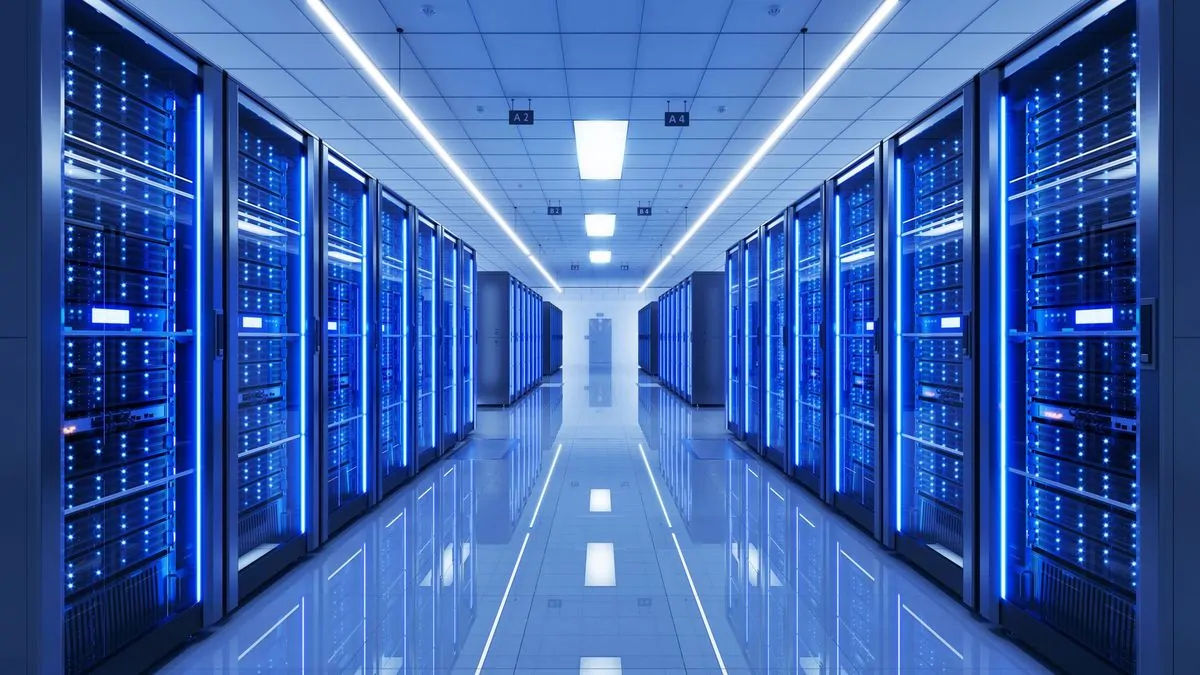
Understanding Raised Floors in Data Centers
Key Components of Raised Flooring
The raised floor system in a data center consists of a series of floor panels or slabs elevated by columns, creating an open space for deploying cables and managing airflow. This system not only supports heavy equipment but also facilitates the efficient operation of power distribution, data transmission, and cooling solutions.
Advantages of Raised Floors in Data Centers
Raised access floors offer multiple advantages that enhance the operational efficiency and performance of data centers.
Improved Airflow Management
Airflow is important in any data center. Raised floor systems create an underfloor space that helps direct cool air from air conditioning units directly to servers, thereby reducing reliance on supplemental cooling systems and improving energy efficiency.
Flexibility in Space Management
With raised flooring, data centers can easily reconfigure their layouts. The ability to route cables and reposition equipment without the need for major structural changes means that facilities can quickly adapt to new requirements or expansions.
Cost-Efficiency
While raised floor systems require an initial investment, they deliver long-term cost savings by enhancing energy efficiency and reducing downtime caused by infrastructure maintenance. Over time, this translates into a lower total cost of ownership.
Potential Challenges with Raised Floors
Despite their benefits, raised floor systems come with their challenges.
Maintenance and Durability
Maintenance of raised floor systems requires regular inspections to ensure the integrity of the flooring and subfloor. Over time, the system may experience wear and tear, necessitating repairs or replacement.
Load-bearing capacity and its impact on equipment
One of the key challenges when selecting raised access flooring is ensuring it can support the weight of heavy equipment, including servers, switches, and other IT hardware. The load-bearing capacity must match the type and weight of the equipment being installed.
![raised floor (3) 拷贝]()
Current Trends in the Raised Floor Market
As data centers continue to evolve, the raised floor market is also undergoing constant change. Engineers should stay abreast of these trends to make informed decisions.
Growing Demand for Modular and Customizable Flooring
More companies are seeking modular and customizable raised floor systems that can easily adapt to the specific needs of their data centers. These floors offer flexibility in terms of load capacity, aesthetics, and maintenance needs.
Technological Integration and Innovations
With the rise of technologies such as artificial intelligence and the Internet of Things, demand is growing for new flooring solutions that can integrate with smart systems. Engineers now have access to flooring with built-in sensors that monitor temperature, humidity, and airflow in real time.
Global Raised Access Floor Market Landscape
The global raised floor market is growing, with regions like North America and Asia-Pacific leading the way.
Regional Insights: North America vs. Asia-Pacific
North America continues to dominate the raised floor market due to its advanced data center infrastructure. However, the Asia-Pacific region is experiencing rapid growth as enterprises in emerging markets accelerate the construction of digital infrastructure.
Key Players and Their Market Strategies
Major players in the raised floor market include Tacate, Kingspan, and Schneider Electric. These companies continuously innovate and invest in sustainable solutions to meet the growing demands of modern data centers.
![raised floor (1) 拷贝]()
How to Choose the Right Raised Flooring for Your Data Center
Choosing the right flooring system is critical for the long-term success of your data center.
Factors to Consider
When selecting a raised floor system, consider the following factors:
Load Capacity and Modular Design
Ensure the system can support the weight of the equipment and provide flexibility for future upgrades or modifications. Modular systems are typically the best choice.
Material Quality and Environmental Impact
Select materials that combine durability, sustainability, and excellent thermal conductivity. At the same time, the environmental impact of the floor system should be a primary consideration.
Future Development Directions for Raised Floors in Data Centers
As demand for energy-efficient and environmentally friendly solutions grows, raised floors are playing an increasingly prominent role in creating smarter, more flexible data centers.
Sustainability and the Role of Green Data Centers
Sustainable practices are increasingly vital in the design and operation of data centers. Raised floor systems contribute to these goals by enhancing airflow efficiency and reducing energy consumption.
Conclusion: Investing in the Right Raised Floor System
In summary, raised floors are an indispensable component of any modern data center. They offer significant advantages in space management, cooling efficiency, and long-term cost savings. By mastering the key factors required to select the appropriate floor system, engineers can ensure data centers maintain optimal operational performance and consistently stay ahead of market


