As we move deeper into 2026, flexibility and adaptability are essential in modern architectural and design practices. In the world of commercial and industrial spaces, raised access flooring is proving to be a game-changer, offering a sleek and efficient solution for managing utilities and creating versatile workspaces. Two materials leading the charge in this sector are calcium sulfate and steel, each with its unique advantages. In this article, we’ll explore why these two materials are ideal for today’s demanding environments, and how they benefit modern spaces.
INTRODUCTION TO RAISED FLOORING
WHAT ARE RAISED FLOORS?
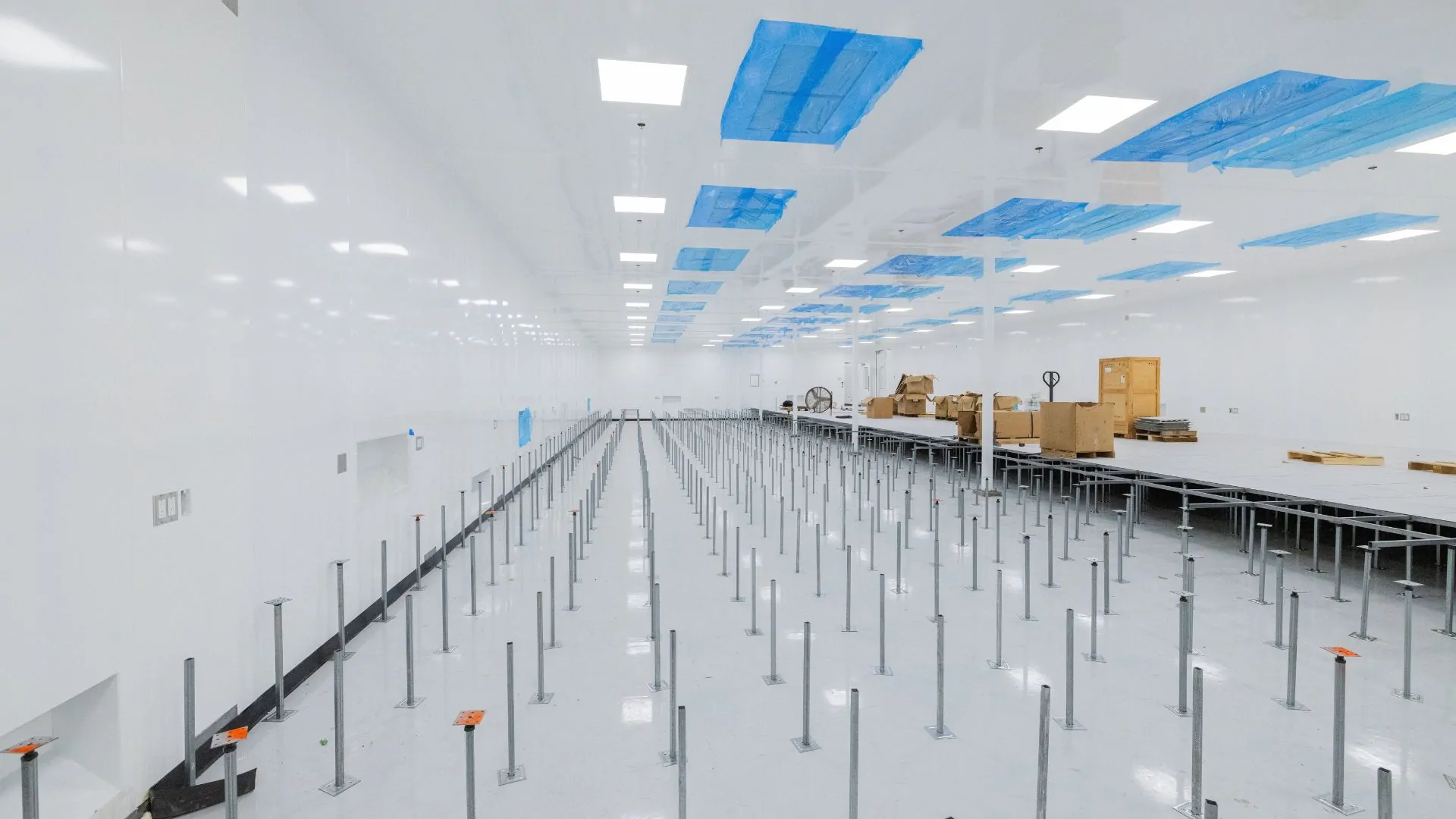
Raised access flooring is a modular system where panels are elevated above the subfloor, creating a void underneath that is perfect for housing electrical wires, data cables, HVAC systems, and other essential utilities. The key benefit of raised floors lies in their flexibility and ease of access—users can quickly adjust the underfloor space for future upgrades or modifications without major construction work.
WHY RAISED FLOORS ARE GAINING POPULARITY
The demand for flexible and functional spaces has grown exponentially in 2026. Whether it’s a tech lab, commercial office, or data center, modern spaces are increasingly designed to accommodate changing needs. Raised floors help with this adaptability, offering a way to manage utilities while keeping the workspace organized, neat, and aesthetically pleasing.

CALCIUM SULFATE RAISED FLOORING
WHAT IS CALCIUM SULFATE FLOORING?
Calcium sulfate raised flooring systems are made from panels with a core of calcium sulfate, a compound known for its exceptional moisture resistance, strength, and fire resistance. This type of flooring is often used in environments that demand high performance, such as clean rooms, laboratories, and areas with specialized needs.
COMPOSITION AND DURABILITY
The calcium sulfate panels are reinforced with additional materials to enhance their durability. This flooring option is resistant to wear and tear, which ensures it maintains its structural integrity for decades. It is particularly well-suited for high-moisture environments, making it the go-to option for spaces that require constant humidity control.
BENEFITS OF CALCIUM SULFATE FLOORS
HIGH MOISTURE RESISTANCE: The moisture-resistant properties of calcium sulfate make it perfect for areas that deal with high humidity, like server rooms, data centers, or basements. This resistance prevents water damage that could otherwise compromise standard flooring systems.
FIRE SAFETY: Calcium sulfate is naturally fire-resistant, offering an additional layer of safety in environments that need to meet strict fire codes. This makes it ideal for locations where fire regulations are paramount.
DURABILITY AND STRENGTH: The strength of calcium sulfate flooring allows it to withstand the weight of heavy machinery, foot traffic, and other equipment without showing signs of degradation.
IDEAL APPLICATIONS FOR CALCIUM SULFATE FLOORING
Calcium sulfate raised flooring excels in environments where high moisture control or fire resistance is essential. Some of the most common applications include:
CLEAN ROOMS: In laboratories, pharmaceutical manufacturing, or electronics assembly, calcium sulfate flooring helps maintain a dust-free, sterile environment.
HOSPITALS AND HEALTHCARE FACILITIES: The fire-resistant and easy-to-clean properties make this flooring a great choice for healthcare environments that require stringent hygiene standards.
BASEMENTS AND HIGH-HUMIDITY AREAS: Whether in server rooms or basements, the material’s moisture resistance ensures that it stands up to the challenges of high-humidity spaces.
STEEL RAISED FLOORING
WHAT IS STEEL RAISED FLOORING?
Steel raised flooring is a flooring system made with panels primarily composed of steel, often reinforced with additional materials such as aluminum or concrete. Steel is known for its strength and load-bearing capacity, making it ideal for environments that require high performance and durability, such as data centers or industrial settings.
STRENGTH AND LOAD-BEARING CAPACITY
Steel floors are built to handle heavy equipment, machinery, and high foot traffic, making them an ideal choice for industrial and commercial spaces. Their high load-bearing capacity ensures that they can support the weight of servers, workstations, and other heavy items without compromising structural integrity.
FIRE RESISTANCE AND SAFETY FEATURES
Steel is inherently fire-resistant, making it an excellent choice for areas that need to meet rigorous safety standards. Whether for high-rise offices or data centers, steel floors offer enhanced protection from fire hazards, providing peace of mind to building owners and tenants alike.
AESTHETIC VERSATILITY OF STEEL FLOORS
Steel’s industrial roots have evolved over time, and it now offers a more modern, sleek look that fits well in contemporary office spaces and commercial settings. Available in a variety of finishes and colors, steel flooring can seamlessly blend into any interior design, from ultra-modern tech hubs to more traditional office spaces.
IDEAL APPLICATIONS FOR STEEL RAISED FLOORING
Steel raised flooring is particularly well-suited for high-traffic, high-load environments. Its key applications include:
DATA CENTERS: Steel floors are perfect for data centers where the infrastructure must support heavy equipment like servers and cooling systems.
COMMERCIAL OFFICES: Steel is an ideal material for offices that need durability and flexibility, especially in industries like finance or tech, where infrastructure often needs to be adjusted.
RETAIL SPACES: Retail environments benefit from the combination of aesthetics and practicality that steel floors provide, offering a stylish yet resilient surface that can handle heavy foot traffic and product displays.
COMPARING CALCIUM SULFATE AND STEEL RAISED FLOORS
MOISTURE RESISTANCE VS. STRENGTH
When deciding between calcium sulfate and steel, the key differences come down to the environment in which the flooring will be used. Calcium sulfate is best for spaces requiring moisture control or fire resistance, such as hospitals or clean rooms. Steel, on the other hand, excels in environments that require high strength, such as data centers or industrial settings, where load-bearing capacity is a priority.
INSTALLATION AND MAINTENANCE CONSIDERATIONS
Both types of flooring are easy to install and maintain, but there are a few differences. Calcium sulfate flooring may require more care in spaces with extremely high humidity, as the material is susceptible to mold if not maintained properly. Steel flooring, while durable, may require rust-proofing in humid environments to prevent corrosion.
COST ANALYSIS: WHICH IS MORE BUDGET-FRIENDLY?
Steel raised floors are generally more expensive due to their durability and strength. However, calcium sulfate flooring also comes at a higher price because of its specialized nature, particularly when used in high-performance areas. Ultimately, the choice depends on your budget and long-term performance needs. Steel floors may have a higher upfront cost, but they provide a long-term return on investment through their durability and strength.
CONCLUSION
As the demand for flexible, adaptable, and durable spaces grows in 2026, both calcium sulfate and steel raised flooring systems are proving to be excellent choices. Whether you're designing a cutting-edge data center, a healthcare facility, or a modern office, these two materials offer significant advantages in terms of strength, fire safety, moisture resistance, and overall performance.
Flexible and Future-Proof Flooring Systems
Dawn Raised access flooring is a future-proof solution that enables easy adjustments for ongoing changes in infrastructure. Whether you need to install new technology, expand your electrical systems, or make other adjustments, raised flooring systems allow for seamless upgrades without major disruptions to the space.
By considering the specific needs of your space—whether it's moisture control, load-bearing capacity, or aesthetic appeal—you’ll be able to make an informed decision on which raised flooring system is best for your project.


