You are here:Home » Learning Center » Why Do Data Centers Use Raised Floors? (Cooling + Cable Management Explained)
Why Do Data Centers Use Raised Floors? (Cooling + Cable Management Explained)
Views: 0 Author: Site Editor Publish Time: 2026-05-14 Origin: Site
Introduction
Data centers are the backbone of our digital world, hosting servers that power everything from social media to online banking. If you’ve ever walked into a data center, you might notice an unusual feature: raised floors. But why do these massive server rooms use raised floors instead of standard flooring?
The answer comes down to two critical functions: cooling and cable management. In this article, Dawn Modular Floor explore what raised floors are, why they are so important for data center operations, the benefits they bring, their components, We'll also cover potential obstacles and emerging trends, so that by the end, you’ll see why this apparently simple design decision is crucial for today’s data centers.
What is a Raised Floor System?
Definition and Overview
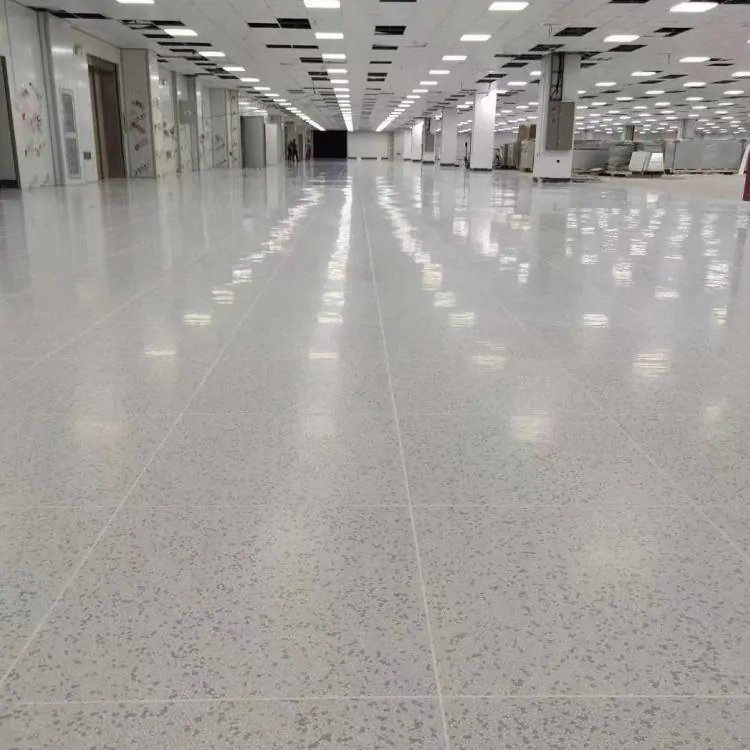
A raised floor system consists of modular panels placed on adjustable pedestals above the building’s concrete slab. Panels are typically made of steel, aluminum, or composite materials, often with a durable surface finish. The space underneath, usually 12–24 inches high, allows for cooling airflow and organized cabling without cluttering the workspace above. Think of it as a mini basement for your servers, but instead of storing old stuff, it’s full of chilled air and neatly routed cables.
History of Raised Floors
Raised floors weren’t always a standard in data centers. They originated in office buildings in the 1960s to hide electrical wiring. As servers became more heat-intensive, raised floors evolved to handle cooling requirements in addition to cable management. Today, they are a mission-critical infrastructure component.
Benefits of Raised Floors
Efficient Cooling Solutions
Data centers generate enormous amounts of heat. Raised floors act as a conduit for cold air, helping maintain optimal temperatures for servers. Without proper cooling, servers can overheat, leading to downtime or permanent damage.
How Raised Floors Improve Airflow
The plenum under the raised floor acts as a low-resistance channel for cool air. CRAC units push chilled air into this space, and perforated floor tiles allow the cold air to rise directly where it’s needed.
Cold Aisle/Hot Aisle Containment
Raised floors enable a cold aisle/hot aisle configuration, separating cold air from hot exhaust. This improves cooling efficiency, reduces energy costs, and prevents hot spots.
Cable Management and Organization
Raised floors provide a hidden, structured space for all power, network, and fiber-optic cables, reducing clutter and hazards.
Structured Cabling
Each type of cable has a designated route under the floor. This ensures safety, easy troubleshooting, and neat organization.
Easy Maintenance and Upgrades
Technicians can lift panels to access cables without disturbing equipment above, making maintenance and upgrades straightforward.
Flexibility and Future-Proofing
Data centers are constantly upgrading equipment. Raised floors allow easy reconfiguration, making facilities more adaptable and saving costs in the long run.
Components of a Raised Floor System
Floor Panels
Typically 24x24 inches, these panels can support heavy loads and are removable for easy underfloor access.
Pedestals and Stringers
Pedestals support the panels at a set height, while stringers provide extra stability for heavy equipment.
Underfloor Plenum
This hollow space channels air, power, and data cables efficiently and safely. Optimal plenum design plays a vital role in thermal cooling efficiency and adherence to safety regulations.
Cooling Strategies in Data Centers
Perforated Tiles and Vents
These allow chilled air from the plenum to rise into server aisles, ensuring uniform cooling.
Airflow Optimization
CFD modeling helps predict airflow patterns for precise cooling adjustments.
Integration with HVAC Systems
Raised floors work in tandem with HVAC and CRAC units to deliver efficient cooling and energy savings.
Cable Management Strategies
Power and Data Separation
Separating power and data cables prevents interference and reduces fire risks.
Cable Trays and Conduits
Dedicated trays protect cables and simplify future expansions.
Safety Considerations
Proper cable management reduces trip hazards, improves fire suppression, and ensures regulatory compliance.
Raised Floors vs. Alternative Designs
Overhead Cabling Solutions
Some data centers use overhead cabling racks, but this can obstruct airflow and complicate maintenance.
Slab Floors Without Raised Access
Direct slab floors are cheaper initially but lack flexibility and complicate future upgrades.
Pros and Cons
Raised floors: high cooling efficiency, excellent cable management, flexible, easy maintenance, higher upfront cost. Alternative configurations deliver moderate cooling capacity, offer restricted cable routing options, feature reduced flexibility, complicate routine maintenance, and come with a lower initial investment.
Challenges and Limitations
Weight Load Considerations
Panels have limits; very heavy equipment may require reinforced floors.
Cost Factors
Raised floors cost more initially but often save money long-term through improved cooling and flexibility.
Installation and Maintenance
Requires precise planning and trained technicians to avoid damage and maintain airflow efficiency.
Future Trends in Data Center Flooring
Innovative Cooling Solutions
Liquid cooling, in-row cooling, and AI-driven airflow management may complement or reduce reliance on raised floors in the future.
Smart Cable Management
Intelligent sensors and modular conduits can automate cable tracking and maintenance, further optimizing underfloor space.
Conclusion
Raised floors are more than a design choice—they are a critical component of modern data centers. They provide efficient cooling, organized cable management, and flexibility for future upgrades. Though they entail certain costs and installation difficulties, the advantages they bring in operational efficiency, energy conservation and safety render them indispensable for large-scale server deployments.
Understanding the role of raised floors helps explain why virtually all modern data centers adopt this system. Whether you’re planning a new facility or optimizing an existing one, raised floors remain a cornerstone of data center infrastructure.
This website uses cookies and similar technologies (“cookies”). Subject to your consent, we will use analytical cookies to track which content interests you, and marketing cookies to display interest-based advertising. We use third-party providers for these measures, who may also use the data for their own purposes.
You give your consent by clicking "Accept all" or by applying your individual settings. Your data may then also be processed in third countries outside the EU, such as the US, which do not have a corresponding level of data protection and where, in particular, access by local authorities may not be effectively prevented. You can revoke your consent with immediate effect at any time. If you click on "Reject all", only strictly necessary cookies will be used.