You are here:Home » Learning Center » Raised Floor Cost Guide (Price per Square Foot Explained)
Raised Floor Cost Guide (Price per Square Foot Explained)
Views: 0 Author: Site Editor Publish Time: 2026-05-28 Origin: Site
Introduction: Why Raising Your Floor Is a Good Idea (But Expensive)
Have you ever seen a data center or a modern office with a floor made of square tiles? That’s a raised floor. It hides wires, improves air flow, and protects equipment. But the big question is: how much does it cost?
If you’re planning a server room, home theater, or clean workshop, you’ve probably seen confusing prices and terms. Don’t worry. I’ll explain every part so you know what you’re paying for. By the end, you can plan your budget without overpaying.
What Is a Raised Floor System? (The Basics)
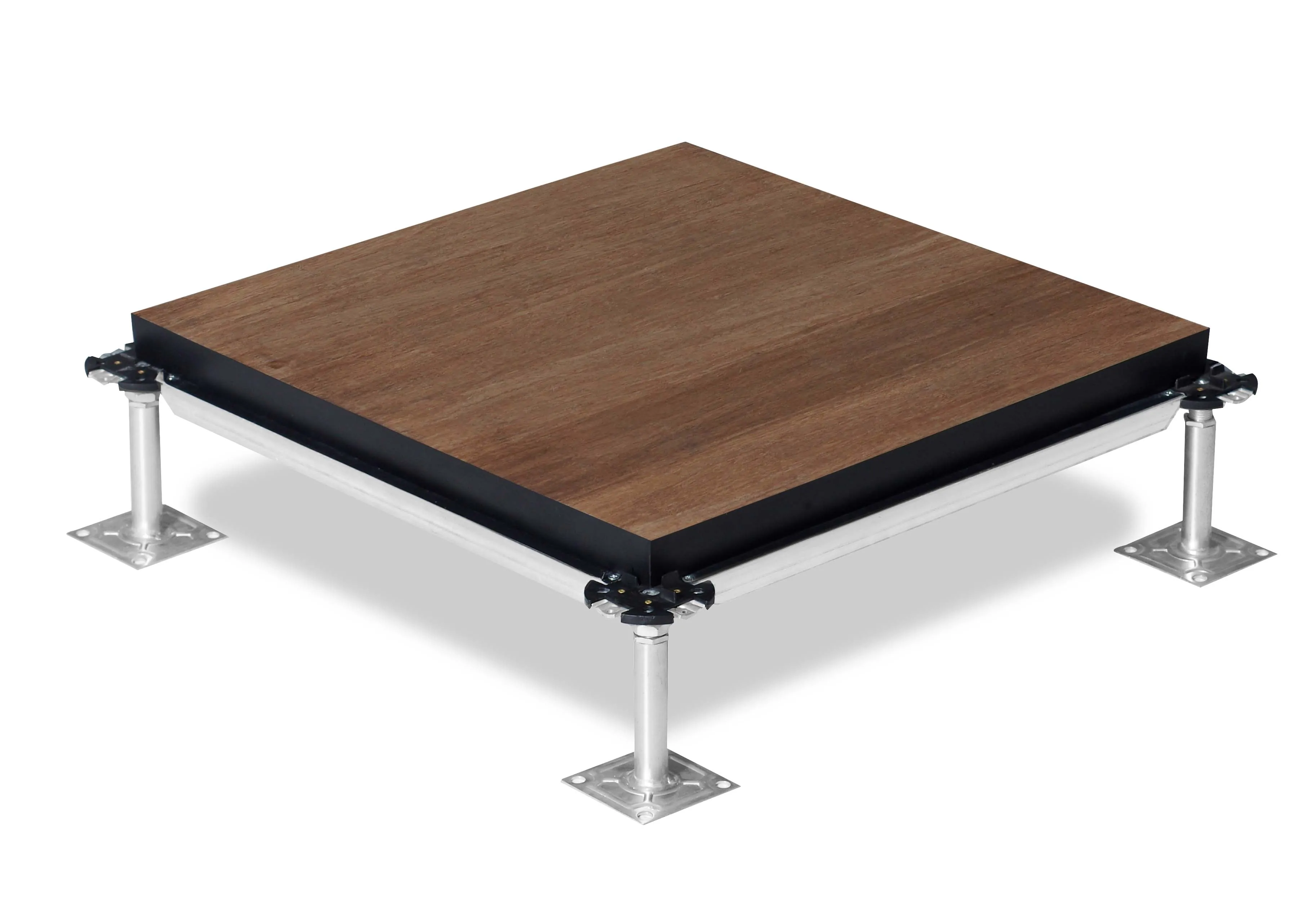
A raised floor is like a second floor built on legs. Instead of putting flooring directly on the concrete, you set up metal posts. On top of those posts, you place strong panels. This creates a hidden space between the real floor and the new one.
The Three Main Parts: Panels, Pedestals, and Stringers
To understand cost, you need to know three parts.
Panels are the square tiles you walk on.
Pedestals are the adjustable posts that hold the panels.
Stringers (optional but helpful) are clips that connect pedestals to stop wobbling. The quality of these three parts decides most of the final price.
Average Cost Per Square Foot: The Bottom Line
Let’s get straight to the point. For just the materials, a basic raised floor costs about 15to15to25 per square foot. For a high-end system with better finishes and heavy-duty strength, expect 30to30 to 50+ per square foot.
Low-End vs. High-End: What’s the Difference?
Why such a big price range? Think of it like buying a car.
A low-end system ($15/sq ft) is like a used sedan — it works, but it feels cheap and may squeak under heavy weight.
A high-end system ($50+/sq ft) is like a luxury SUV — solid, quiet, fire-resistant, and strong enough to hold heavy machines. You’re paying for thicker materials, better design, and safety certifications.
Breaking Down the Price: Materials Matter
Let’s go into detail. The panel material is the biggest factor in cost.
Steel Encapsulated vs. Wood Core vs. Aluminum Panels
Wood core panels (plywood wrapped in steel) cost 10–10–20/sq ft. They work fine for home theaters.
Steel encapsulated panels (filled with concrete or gypsum) cost 20–20–35/sq ft. They don’t burn and reduce shaking. These are standard for offices.
Aluminum panels cost 40–40–70/sq ft. They are very strong, light, and rust-proof. You only need them in chemical labs or on boats.
The Pedestal Predicament: Standard vs. Anti-Static
A standard steel pedestal costs 2–2–5 each. But for a data center where static electricity can damage servers, you need anti-static pedestals. Those cost 8–8–15 each. Also, you need about one pedestal per panel (roughly 4 pedestals for every 9 square feet).
Finishes and Coverings: The Hidden Cost
Here’s what beginners often miss. The bare panel is not the final floor. You need to cover it.
Vinyl, Carpet , HPL etc.
No finish (bare tile): $0 extra, but it looks industrial and is slippery.
Vinyl (PVC) finish: Adds 2–2–5/sq ft. Good for cleanrooms.
Carpet tiles: Adds 4–4–10/sq ft. Great for offices, but bad if liquids spill.
HPL (High Pressure Laminate): Adds 6–6–12/sq ft. Very durable — used in school computer labs or trading floors.
Labor and Installation Costs: DIY vs. Hiring a Pro
You can install a raised floor yourself if you have a laser level and lots of patience. Doing it yourself saves you the 5–5–10 per square foot that contractors charge. But be careful: one crooked pedestal can make the whole floor feel uneven.
How Much Do Installers Charge Per Hour?
Professional crews usually charge 65–65–120 per hour per installer, or a flat rate of 7–7–15 per square foot for full installation. For example, a 500 sq ft room might take two installers two days. That’s about 2,000–2,000–3,000 just for labor.
Site Preparation (Subfloor Conditions)
Is your concrete floor perfectly flat? Most are not. If your subfloor has dips or slopes, installers will charge an extra 1–1–3/sq ft to level it. Skipping this step is like building a house on a hill — the whole floor will become crooked.
Small Parts Add Up (Ramps, Edge Trim, and Air Seals)
You’ve finished installing the main floor, but you still need a few things. To step onto the floor from a hallway, you need ramps — 100–100–300 each. To cover the gap against the wall, you need edge trim — 3–3–8 per foot. To stop cold air from leaking out of a data center, you need seals for cable holes — 2–2–5 per hole. These small costs add up quickly.
Commercial vs. Home Use: A Big Price Difference
Data Centers: Paying for High Quality
Commercial raised floors, especially for data centers, come with a “certified” label. They must be strong enough to hold heavy server racks (over 2,500 lbs of pressure). You’ll easily pay 35–35–65/sq ft fully installed. Also, you need special perforated tiles for airflow — these cost twice as much as standard solid tiles.
Home Theaters and Basements: Saving Money
For a home theater where you just want to hide wires and keep your feet warm, a cheap wood core system works fine — 12–12–18/sq ft. You don’t need fire safety or heavy load strength. Just buy an inexpensive laser level and do it yourself over a weekend.
Regional Price Differences: Does Location Matter?
Yes. If you live in Manhattan or San Francisco, expect to pay 20–35% more for labor because installers have higher costs. In rural Texas or Ohio, you might find a crew for 5–5–8/sq ft labor. Shipping is also expensive — panels are heavy. A pallet of 100 sq ft of steel panels weighs nearly 500 lbs. Shipping across the country can add 200–200–500 to your total cost.
Extra Costs You Might Forget (Vents, Cables, and Tools)
If you use the space under the floor for air circulation, you need floor vents — 40–40–150 each.
You still need cable trays to keep wires from tangling under the floor. Add 1–1–2/sq ft.
To lift tiles, you need a suction cup tool. It costs about $30 online. Don’t try using a screwdriver — you’ll damage the tile edge.
How to Save Money Without Losing Quality
Here’s how to save money smartly. First, buy unfinished panels and install your own carpet tiles if you’re handy. Second, skip stringers for low-traffic home rooms (they are needed for commercial spaces though). Third, ask for quotes from several suppliers — prices vary a lot between brands and local sellers.
Used vs. New Panels: Good or Bad?
Here’s a tip: used raised floor panels are often a great deal. Offices close down all the time, and sellers offer used steel panels for 4–4–8/sq ft (compared to $20+ for new). As long as the corners aren’t damaged and the pedestal threads aren’t worn out, used panels work fine for home use or back offices. Just don’t use them in a clean data center.
FAQs: Answers to Common Questions
Can I install raised floor over carpet? No. The pedestals need a hard, flat surface. Carpet will squish and the floor will sink over time. Remove the carpet first.
How tall does a raised floor need to be? At least 6 inches for cables. If you need to run air ducts or pipes underneath, go with 12–18 inches.
Do I need a permit? For commercial projects, yes. For a home basement under 200 sq ft, probably not — but check your local rules.
Will it make noise when I walk on it? Cheap wood core panels with thin steel will click and pop. High-quality concrete-filled panels are completely silent.
Conclusion: Is a Raised Floor Worth the Money?
I won’t lie — a raised floor is not cheap. For a 500 sq ft server room, expect to pay 10,000–10,000–20,000 installed. That’s real money. But if you’ve ever struggled to run cables through concrete, or lost a server to static electricity, you know it’s worth doing right.
A raised floor is like insurance for your equipment and flexibility for the future. You can change wiring in ten minutes without hiring an electrician. You can cool devices from below. And honestly? It just looks cool. Think about your budget, look for used deals, and always — always — get three quotes. Now go build something smart.
This website uses cookies and similar technologies (“cookies”). Subject to your consent, we will use analytical cookies to track which content interests you, and marketing cookies to display interest-based advertising. We use third-party providers for these measures, who may also use the data for their own purposes.
You give your consent by clicking "Accept all" or by applying your individual settings. Your data may then also be processed in third countries outside the EU, such as the US, which do not have a corresponding level of data protection and where, in particular, access by local authorities may not be effectively prevented. You can revoke your consent with immediate effect at any time. If you click on "Reject all", only strictly necessary cookies will be used.