An Introduction to Raised Access Floor Quality
Raised access floor may appear structurally simple, but it conceals intricate complexity beneath its surface. Hidden beneath these floor panels lies a sophisticated system designed to support heavy equipment, protect precision instruments, regulate airflow distribution, and ensure long-term building performance. Choosing an unsuitable manufacturer is same to purchase a car without inspecting its engine—the exterior may seem flawless, but hidden dangers lurk within. So how does one truly evaluate the quality of factory-produced raised access floor? Let's break it down step by step.
Factory Quality Matters More Than You Think
Many buyers focus only on price, but quality comes from the factory, not the construction site. A reliable raised access flooring manufacturer ensures consistent materials, precise craftsmanship, rigorous QC, and long-term performance stability. Substandard factories cut corners—using thin steel sheets, low-density core materials, and weak accessories—those often lead to squeaky floors, warped panels, and ultimately costly replacements.
Understanding Raised Access Floor Systems
Before judging quality, you need to understand what you’re buying.
What Is a Raised Access Floor
A raised access floor system consists of modular panels supported by pedestals and stringers, creating an elevated floor void. This space is used for cables, HVAC airflow, and utilities—especially in data centers, control rooms, and commercial offices etc.
Common Applications
Raised floors are widely used in data centers, server rooms, control rooms, financial trading floors, offices, and telecom facilities—anywhere flexibility and underfloor access are critical.
Key Materials Used in Raised Access Floors
Material quality directly defines performance. Let’s look at the most common panel types.
Steel Encapsulated Panels
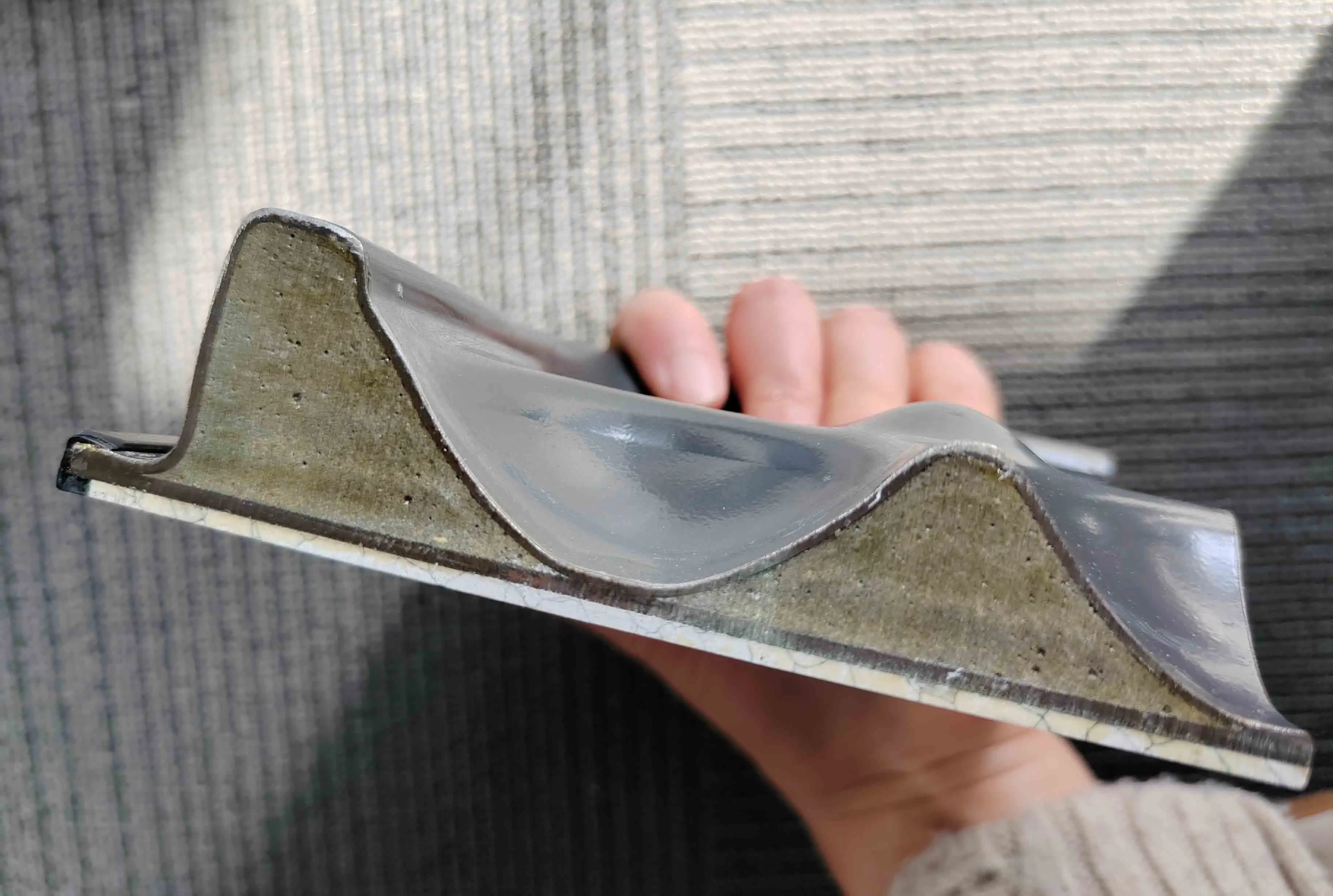
These panels feature steel top and bottom plates with a cement-based or calcium sulfate core filling. Premium factories utilize thick galvanized steel sheets and precision welding techniques to ensure long-term durability.
For example: about the filling of steel panel: Dawn applies the American technology 425 cement + Foam. The whole North America uses this standard, it will be more solid and durable. Many factories use 325 cement + yellow sand with more impurities, medical and content of water. That will affect the loading capacity and get rust easily.
Calcium Sulphate Core Panels
Renowned for its excellent load capacity, fire resistance, and environmental performance. Density and moisture control are critical—low quanlity core materials absorb moisture and weaken over time.The water content of calcium sulfate core should be controlled within 4.5-5.5% range.
Woodcore Panels
An economical choice for office use. Quality depends on core density, moisture resistance, and edge sealing. Low-cost particleboard often warps or delaminates.
Step 1: Evaluate the Factory’s Manufacturing Capabilities
The factory itself tells you a lot about product quality.
Factory Size and Production Capacity
A serious manufacturer invests in large facilities, multiple production lines, and stable output. Tiny workshops often lack consistency and quality control.
Automation vs Manual Production
Automated punching, welding, and pressing machines ensure accuracy. Manual processes increase error rates and dimensional inconsistencies.
Step 2: Inspect Raw Material Quality
Quality floors start with quality materials.
Steel Thickness and Coating
Ask for steel thickness specifications and galvanization standards. Thicker steel improves load performance and corrosion resistance.
Core Density and Composition
High-density cores mean higher strength and better fire performance. Always request technical data sheets, not verbal promises.
Step 3: Check Load Performance and Structural Strength
Load capacity is non-negotiable.
Static Load vs Rolling Load
Static load measures how much weight a panel can hold in one spot. Rolling load tests simulate moving equipment—far more realistic for data centers.
Why Load Ratings Matter
Think of load ratings like insurance. You hope you never push the limits, but when you do, quality floors protect your investment.
To guarantee the quality and lifetime of panels, it is necessary to ensure that the panel passes the stress test.
Dawn have professional measuring equipment to perform the measurements,like concentrated load,ultimated load,uniform load etc.
![Dawn Test Machine 拷贝]()
Step 4: Verify International Testing and Certifications
Trust data, not marketing.
Common Standards (CISCA, EN, PSA, ANSI)
Reliable factories provide third-party test reports from recognized labs. Certifications prove the floor performs as claimed.
Step 5: Examine Dimensional Accuracy and Tolerances
Even a 1 mm deviation can cause uneven floors. High-quality factories maintain tight tolerances to ensure seamless installation and long-term stability.
Step 6: Surface Finish and Edge Treatment Quality
Details matter more than you think.
Laminate, HPL, PVC, Carpet Finish
Check bonding strength, scratch resistance, and edge sealing. Poor finishes peel, chip, and age badly.
Step 7: Pedestal and Stringer System Quality
Panels get the attention, but pedestals do the heavy lifting.
Pedestal Height Accuracy
Adjustable pedestals must be stable and precise. Weak welds or thin bases lead to floor vibration and noise.
Step 8: Fire Resistance and Environmental Performance
Safety and sustainability go hand in hand.
Fire Ratings
Calcium sulphate panels typically offer superior fire resistance. Always confirm fire test results.
Sustainability and EPDs
Environmentally responsible factories provide EPDs and use recyclable materials—important for green building certifications.
Step 9: Factory Quality Control Process
Ask about inspection procedures.
Incoming, In-Process, Final Inspection
Quality factories inspect raw materials, monitor production, and test finished products. No QC system? Big red flag.
Dawn have very strict QC standard and progess. The quality inspection standards for raw materials are extremely strict。 And each panel must match the 1st sample in our workshops. Production staff need to do inspections regularly and keep records in the first sample inspection log.
![raised floor]()
Step 10: Packaging, Storage, and Export Experience
Even the best floors fail if damaged in transit. Export-experienced factories use reinforced pallets, moisture protection, and clear labeling.
Step 11: On-Site Factory Audit Checklist
Visit the factory if possible. Check cleanliness, workflow, testing equipment, and staff professionalism. A good factory has nothing to hide.
Common Red Flags When Choosing a Factory
Be cautious if prices are unrealistically low, test reports are missing, or specifications change frequently. Cheap today often means expensive tomorrow.
How to Compare Multiple Raised Floor Factories
Create a comparison table covering materials, certifications, load ratings, lead times, and after-sales support. Quality differences become obvious quickly.
Final Tips for Buying Raised Access Floors with Confidence
Always request samples, test reports, and reference projects. Ask tough questions. A trustworthy factory welcomes scrutiny.
Conclusion
Assessing the quality of raised access flooring at the factory isn't complicated—but it does demand attention to details. From materials and loading capacity to certifications and quality control, every aspect matters. Choosing the right manufacturer means you're not just buying floors; you're investing in reliability, safety, and peace of mind for years to come.


