Clean rooms are critical in a variety of industries, ranging from pharmaceuticals and biotechnology to electronics and aerospace. As businesses demand higher levels of cleanliness and precision, the importance of creating an optimal environment cannot be overstated. One key feature of a clean room is its flooring system, and raised floors play a crucial role in ensuring the facility meets the strict standards required for various operations. In this article, Dawn Floor will explore the ins and outs of raised floors for clean rooms, from manufacturing to maintenance, and why they are an indispensable part of maintaining a pristine and efficient environment.
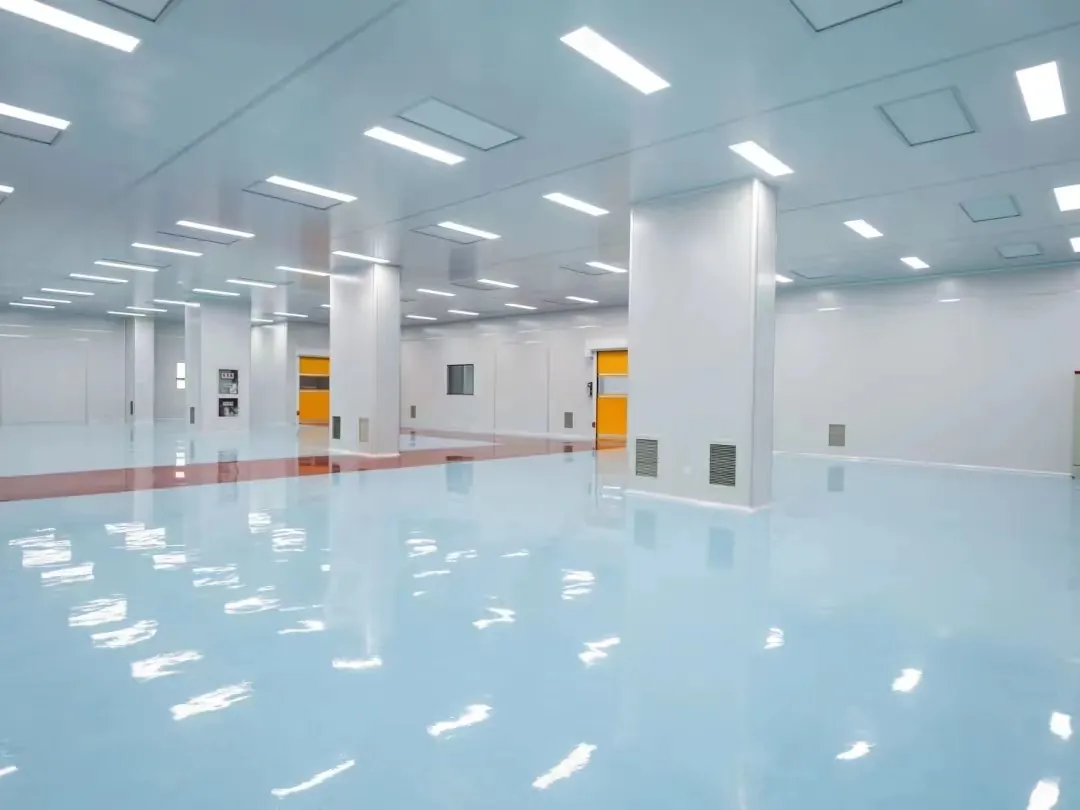
The Role of Clean Rooms
A clean room is a controlled environment designed to minimize the introduction, generation, and retention of airborne particles. Such spaces are essential for activities that require extremely low levels of pollutants, like semiconductor manufacturing, pharmaceutical production, and medical device assembly. In these environments, controlling contamination is crucial, and every aspect, from air filtration to surface cleanliness, plays a part. One often overlooked yet vital component is the floor system, which helps manage airflow, temperature control, and even access to vital utilities.
Raised Floors: The Basics
Raised floors are exactly what they sound like: elevated surfaces that create a gap between the ground and the floor surface. This gap provides a space to route cables, wires, and air. Raised floors have been used for decades in various industries, but they are especially beneficial in clean rooms, where maintaining a constant, controlled environment is critical.
Components of Raised Floors
A raised floor system typically consists of several key components, including panels, pedestals, and tiles. The panels are the actual floor surface, and they can be made from various materials such as steel, aluminum, or even wood, depending on the requirements of the room. Pedestals are supports that elevate the panels, and tiles are often used to cover the gaps or seams between the panels to ensure that the surface remains smooth.
Benefits of Raised Floors in Clean Rooms
There are numerous reasons why raised floors are an ideal choice for clean rooms. This ranges from their ability to improve airflow to their role in supporting critical infrastructure.
Easy Access to Electrical & Data Wiring
In many industries, clean rooms are equipped with complex electrical systems and data cables that need to be neatly and safely routed. Raised floors allow these utilities to be easily accessed and managed without compromising the integrity of the environment. Since these cables are hidden beneath the floor panels, there's less risk of contamination or obstruction.
Temperature Control
Temperature and humidity control are critical factors in any clean room. Raised floors can help maintain precise control over the air temperature by allowing cool air to circulate beneath the panels. This then rises through the room to cool the environment. This system helps to maintain ideal conditions and ensures that any equipment in the room operates at its best.
Improved Airflow
Airflow is another vital component in clean room design. Raised floors allow for efficient ventilation by creating a space where air can move freely beneath the surface. This system is designed to optimize the circulation of air, which helps remove contaminants and ensures that the room remains at the desired cleanliness level.

How Clean Room Raised Floors are Manufactured
Manufacturing raised floors for clean rooms is a precise and meticulous process. Stringent quality control standards must be met by each floor to ensure that it can withstand the harsh conditions typically found in clean room environments.
Material Selection (Steel, Aluminum, etc.)
The materials chosen for raised floors in clean rooms are critical to their performance. Steel and aluminum are popular choices because they are durable, corrosion-resistant, and offer a high level of structural integrity. The material selected will depend on the specific needs of the clean room, such as the type of work being performed and the required strength of the floor.
Precision in Manufacturing
Raised floors must be manufactured with a high degree of precision to ensure they fit perfectly within the clean room environment. Any deviation in size or shape could result in gaps that would undermine the cleanliness of the room. Manufacturers use advanced machinery and technology to ensure that each panel and pedestal meets the required specifications.
Environmental Considerations
Sustainability is an increasingly important factor in the manufacturing of raised floors for clean rooms. With growing concerns over environmental impact, manufacturers are now opting for eco-friendly materials and production processes.
Sustainability and Eco-Friendly Materials
Many manufacturers are now choosing recycled materials for raised floors to reduce their environmental footprint. Additionally, energy-efficient production processes and minimal waste systems are being incorporated to make the manufacturing process more sustainable.
ESD (Electrostatic Discharge) Protection
In certain clean room environments, protecting against electrostatic discharge (ESD) is crucial. Raised floors can be designed with ESD-safe materials to prevent any accidental discharge that could damage sensitive equipment or contaminate the environment. ESD-protective flooring uses special coatings to provide extra protection.
Industry Standards for Clean Room Floors
Clean rooms are subject to strict regulations, and raised floors must comply with these standards to ensure they perform as needed.
ISO Standards and Compliance
Various international standards, such as ISO 14644, govern the design, construction, and maintenance of clean rooms. Raised floor systems must meet these standards to ensure they are effective in providing a controlled environment. Compliance with these standards helps ensure that the clean room remains safe, reliable, and consistent in performance.
Clean Room Classes
Different clean rooms have varying requirements based on their classification (e.g., ISO Class 1 to Class 9). The higher the class number, the less stringent the floor requirements. However, even for less critical environments, raised floors provide flexibility and adaptability.
Installation of Raised Floors in Clean Rooms
Installing raised floors in clean rooms requires careful planning and execution. The installation process must be thorough to avoid contamination and ensure that the floor system functions as intended.
Step-by-Step Process
The installation process involves preparing the subfloor, positioning pedestals, placing panels, and ensuring everything is securely connected. Each step must be completed with precision to avoid any issues once the floor is in place.
Common Challenges in Installation
Installation can present a variety of challenges, such as ensuring the floor is level, avoiding damage to the clean room environment, and meeting tight timelines. These challenges can only be overcome and the floor correctly installed with the help of experienced installers.
Maintenance and Longevity
To ensure that raised floors continue to function properly in a clean room, regular maintenance is necessary. Proper care will extend the lifespan of the floor and maintain the room's cleanliness.
Cleaning Techniques
Cleaning raised floors in clean rooms is different from cleaning standard floors. Use special tools and techniques, such as vacuuming with filters and non-abrasive cleaning agents, which are essential to avoid contaminating the environment.
Conclusion
Raised floors are a vital component in creating an effective and efficient clean room. They not only support essential infrastructure but also contribute to maintaining a controlled, contamination-free environment. Whether you work in pharmaceuticals or electronics, or any other industry requiring a clean room, investing in a quality raised floor system can make a significant difference in the performance of your facility and the success of your operations.


