You are here:Home » Learning Center » How to Import Raised Access Floors from China (Step-by-Step Guide)
How to Import Raised Access Floors from China (Step-by-Step Guide)
Views: 0 Author: Site Editor Publish Time: 2026-01-05 Origin: Site
Introduction
Importing raised access floors from China can feel overwhelming—especially if it’s your first time dealing with overseas suppliers, quotations, customs paperwork, and shipping. But what's the good news? With the right guidance from Dawn, it's a straightforward and incredibly rewarding process! China is the world’s leading hub for raised floor manufacturing, offering a wide range of high-quality products at competitive prices.
This step-by-step guide will walk you through the entire process, from finding the right supplier to successfully receiving your shipment. Whether you're a contractor, distributor, or project manager, this guide will help you avoid common mistakes and make smart purchasing decisions.
What Are Raised Access Floors?
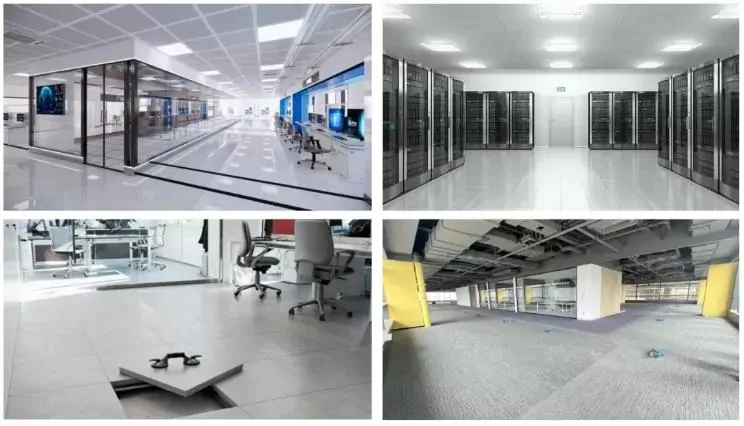
Raised access floors are modular flooring systems that create an elevated platform above the building’s main slab. This empty space is used to run cables, wiring, HVAC pipelines and plumbing make them perfect for modern commercial facilities.
Common Types of Raised Access Floors
Steel Cementitious Panels (Most Common)
Calcium Sulphate Panels
Aluminum Panels
Woodcore Panels
Encapsulated Panels
Why They’re Popular in Modern Construction
Think of them as the “hidden backbone” of smart buildings. Raised floors improve cable management, enhance flexibility, Reduce renovation time and support heavy loads in equipment-intensive environments such as data center and control rooms.
Why Import Raised Access Floors from China?
Cost Advantages
China offers significantly lower manufacturing and labor costs, allowing buyers to save 20–50% on materials without compromising quality.
Wide Range of Options
Factories in China produce all kinds of raised floor systems, from office-grade panels to ultra-heavy-duty data center flooring.
Strong Manufacturing Capabilities
China’s raised floor industry has matured over the last 20 years, with factories equipped with automated production lines, Strict quality control systems and international certifications.
Step 1: Identify Your Project Requirements
Before contacting suppliers, you need a clear understanding of your project’s technical needs.
Load Capacity
Common load ratings:
800 lb
1,000 lb
1,500 lb
2,000 lb
Data centers typically require higher load capacities.
Height Requirements
Standard heights range from 100 mm to 1,800 mm.
Your facility’s cable density and airflow systems will determine the required height.
Panel Materials
Popular materials include:
Steel cementitious
Calcium sulphate
Woodcore
Aluminum
The advantages of each one depend on the environment and load needs.
Step 2: Research and Select Reliable Suppliers
Where to Find Suppliers
Here are the best platforms to begin your search:
Alibaba
Made-in-China
Global Sources
Industry exhibitions such as CIFF or Canton Fair
How to Verify Supplier Credibility
You shouldn’t rely on nice photos alone. Perform checks such as:
Business license verification
Export experience
Customer reviews
Third-party audits
Certifications to Look For
ISO 9001 (Quality Management)
CE Certification
PSA MOB PF2PS (for UK markets)
SGS or TUV reports
Red Flags to Avoid
No physical factory address
extremely low pricing (too good to be true)
Poor communication
No sample policy
Step 3: Request Samples and Product Specifications
What to Examine in Samples
Your sample should be checked for:
Panel flatness
Coating thickness
Understructure quality
Weight per panel
Finish quality
Technical Documents to Request
Ask the supplier for:
Load test reports
Installation manuals
Material composition sheets
Product drawings
Step 4: Get a Detailed Quotation
A good quotation should be clear, organized, and transparent.
How Pricing Is Calculated
Raised floor pricing usually includes:
Panel cost
Understructure (pedestals & stringers)
Surface finish (HPL, PVC, ceramic, etc.)
Accessories
Packaging
Shipping cost (FOB or CIF)
Hidden Costs to Watch Out For
Import tax
Local port charges
Storage fees
Overweight container fees
Step 5: Factory Audit or Virtual Inspection
What to Check During an Audit
A physical or virtual audit can reveal:
Production capacity
Raw material storage
Manufacturing equipment
QC process
Worker safety standards
Benefits of Third-Party Inspection
Using the services of SGS, TÜV or a local agent will ensure that your order meets the required quality standards before shipping.
Step 6: Place Your Order and Confirm Production Details
Production Timeline
Most raised floor orders require 15–35 days depending on quantity and customization.
Confirming Packaging Requirements
Good packaging prevents moisture, corrosion, and panel damage.
Request the following:
Palletized packaging
Waterproof wrapping
Corner protectors
Step 7: Understand Shipping Methods from China
FCL vs LCL
FCL (Full Container Load): Best for bulk orders
LCL (Less than Container Load): Good for small orders or samples
Sea Freight vs Air Freight
Sea freight: Cheapest but slow (25–40 days)
Air freight: Fast but expensive—use only for urgent samples
Step 8: Customs Clearance & Import Documentation
Required Documents
You will typically need:
Commercial invoice
Packing list
Bill of Lading
Certificate of origin
HS code documentation
Customs Duties & Taxes
Check your country's import tariff for HS code 680610, which is commonly used for raised floors.
Step 9: Receiving Goods & Quality Check
What to Inspect Upon Arrival
Panel quantity
Surface damage
Pedestal and stringer quality
Load capacity compliance tests
Packaging condition
Always document any damages immediately for insurance claims.
Common Mistakes to Avoid When Importing
Choosing the cheapest supplier
Forgetting to check certifications
Not inspecting products before shipment
Misunderstanding shipping terms
Underestimating customs fees
Final Tips for a Smooth Import Experience
Build long-term relationships with reliable suppliers
Communicate clearly and confirm every detail
Keep records of all communications
Use international payment methods like PayPal, LC, or TT
Conclusion
Importing raised access floors from China doesn't have to be stressful. With the right preparation, reliable suppliers, and clear communication, you can save money, enjoy high-quality products, and complete your project smoothly. Use this guide of Dawn floor as your roadmap, and you’ll be well-equipped to make confident and successful import decisions.
This website uses cookies and similar technologies (“cookies”). Subject to your consent, we will use analytical cookies to track which content interests you, and marketing cookies to display interest-based advertising. We use third-party providers for these measures, who may also use the data for their own purposes.
You give your consent by clicking "Accept all" or by applying your individual settings. Your data may then also be processed in third countries outside the EU, such as the US, which do not have a corresponding level of data protection and where, in particular, access by local authorities may not be effectively prevented. You can revoke your consent with immediate effect at any time. If you click on "Reject all", only strictly necessary cookies will be used.