You are here:Home » Learning Center » How to Choose a Reliable Raised Floor Manufacturer
How to Choose a Reliable Raised Floor Manufacturer
Views: 0 Author: Site Editor Publish Time: 2026-05-18 Origin: Site
A strong building needs a strong foundation—so don’t risk your important systems on a weak floor. Ignore the ads and choose a raised floor supplier you can really rely on.
Picking the Wrong Raised Floor Maker Can Waste a Lot of Money
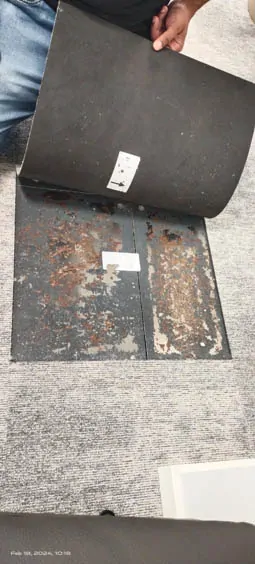
Imagine this: You set up a new data center. Everything looks great. Then six months later, tiles start to bend. Pedestals rust. You have to tear up the floor, stop work, and spend more money. That's what happens when you pick a bad raised floor manufacturer. It's like buying a cheap umbrella that breaks in the first wind. A good manufacturer gives you peace of mind. This guide will show you how to find one that lasts for decades.
What Makes a Good Raised Floor System
Before you search for a "raised floor manufacturer," know what you're buying. A raised floor has many parts. If one part is cheap, the whole floor fails.
The Core: Particleboard, Cement, or Steel?
The core is the heart of the tile. Particleboard cores are cheap and good for light office use, but they soak up water. Cement cores are strong and fire-resistant—great for data centers or factories. Steel cores handle heavy loads like forklifts or server racks. Ask yourself: What will roll on this floor? If it's heavy, don't choose wood. A good manufacturer will help you pick the right core for your needs.
The Understructure: Pedestals and Stringers
Many buyers focus only on the tile and ignore what's underneath. Pedestals (the adjustable stands) should have anti-rust coating like zinc or galvanized steel. No cheap painted metal that flakes in two years. Stringers (horizontal bars between pedestals) keep the floor stable. Without them, the floor can shift like jelly. A good manufacturer will offer bolted or lock-style stringers. Tip: ask for a sample. If it feels weak in your hand, it will break under heavy loads.
8 Key Questions to Ask Before You Sign
You're not being difficult—you're being careful. Ask every manufacturer these questions. Their answers will tell you who to trust.
Do They Follow International Standards (CISCA, ASTM)?
These aren't just random letters. CISCA and ASTM set the rules for good raised floors. Ask directly: "Are your panels tested for fire safety? What about other strength tests?" If they hesitate or look confused, leave. Following standards means they've had their products checked by independent experts. No standards? No deal.
Can They Show You Third-Party Test Reports?
Anyone can print "meets standards" on a brochure. Ask for real test reports from labs like Intertek or UL. Look for numbers on:
How much weight a tile can take before breaking
How many times a forklift can roll over it
Whether it controls static electricity (important for server rooms)
A trustworthy manufacturer will email you these reports right away. If they say "we lost them," don't trust them.
Warning Signs: How to Spot a Bad Manufacturer from the Start
Let's play detective. Here are three clear signs that say "stay away."
The "Too Cheap to Be True" Price
You get a quote for 3.50persquarefootwheneveryoneelseisat3.50persquarefootwheneveryoneelseisat7.00. Tempting, right? Don't do it. That cheap manufacturer likely uses low-quality fillers, thin steel, or uncoated pedestals that rust quickly. Remember: cheap raised floors are like discount parachutes. They work fine… until they don't. A good manufacturer will be clear about their pricing and explain what you're paying for—better materials, precise fits, and real engineering.
Vague Delivery Times and No Clear Answers
“We’ll ship in 2–3 weeks… maybe.” Run. A professional manufacturer knows their schedule. They'll tell you exactly: "10–14 business days for standard panels; 21 days for special ESD finishes." If they avoid answering or give one vague number, they're hiding problems. Ask for a written delivery date with penalties for delays. The good ones will agree. The bad ones will disappear.
Why Customization Matters: One Size Does Not Fit All
Your server room is different from the office next door. So why settle for a one-size-fits-all floor? Top manufacturers offer flexible options.
Load Ratings: Static vs. Rolling vs. Ultimate Load
Here's a quick lesson. Static load is weight sitting still (like a cabinet). Rolling load is weight moving (like a wheeled server rack). Ultimate load is the breaking point. Most basic floors handle 1,000 lbs static but fail at 500 lbs rolling. Why? Because rolling loads push force onto a tiny spot. A good manufacturer will provide separate ratings for each. If they give you only one number, they're hiding the weak points.
Finishes and Anti-Static Properties for Data Centers
In a data center, static electricity is a silent killer. One spark can destroy a motherboard. You need conductive or anti-static finishes (measured in ohms). Good manufacturers use vinyl, HPL, or bare steel with ESD coatings. Ask to see the surface static test (ANSI/ESD S20.20). If they don't understand what "ohms per square" means, they're not ready for critical environments.
Real Past Work: Why What They've Done Matters More Than What They Say
Don't just read the nice reviews on their website—those are handpicked. Ask for real examples that match your industry. Have they supplied raised floors for a hospital MRI room (which needs to reduce shaking)? A busy trading floor (lots of rolling chairs)? A cleanroom (needs proper airflow)? Then, do this: call those past customers. Ask them: "Did the floor stay level after one year? How was their warranty service?" A good manufacturer will happily give you references. The others will make excuses.
Warranty and Help After the Sale: The Quiet Heroes
A warranty is only as good as the company behind it. Avoid "limited lifetime" warranties full of small print (like "covers only factory defects, not wear, water, or normal use"). Look for at least 10 years on panels and 5 years on understructure—with clear terms on what's covered. More importantly, test their support before you buy. Send an email on a Sunday. Call their service line at 5 PM on a Friday. Do you reach a real person? Or get stuck in phone menus? Good after-sales support includes replacement panels (even for older models) and technical staff who can help from afar. If they treat you like a bother before the sale, imagine how they'll treat you after.
Delivery Time and Shipping: Can They Get It to You on Time?
Construction delays cost thousands of dollars every day. A manufacturer might have great panels, but if their warehouse is 2,000 miles away with no local depots, you'll pay a fortune in shipping. Ask:
Do you have regional warehouses? (East Coast, Midwest, West Coast, etc.)
How many panels fit on a standard truck?
Do you offer lift-gate delivery for sites without loading docks?
Good manufacturers often provide a shipping coordinator who helps you plan delivery around your construction schedule—not just "whenever the truck shows up."
Conclusion: Your Simple Step-by-Step Plan
Let's wrap it up. Picking a reliable raised floor manufacturer doesn't take an engineering degree—just a checklist and some confidence. Here's your plan:
Know your loads (static, rolling, ultimate) and your environment (static electricity, moisture, chemicals).
Pick 3–5 manufacturers that openly share test reports and standards certifications.
Ask them the 8 key questions above. Write down who hesitates or avoids answering.
Visit a past project they did, or at least video call them and have them walk you through their factory.
Get a sample kit—tile, pedestal, stringer. Put it together yourself. If it feels cheap, say no.
Read the warranty line by line. Look for what's not covered.
Trust your gut. If something feels wrong—pushy sales, vague answers, no references—walk away.
Your raised floor is the foundation for your most important equipment. Don't let it fail just because you saved 15% upfront. A reliable raised floor manufacturer isn't just a seller; they're a partner in your success. Choose carefully, sleep well, and keep your servers running.
This website uses cookies and similar technologies (“cookies”). Subject to your consent, we will use analytical cookies to track which content interests you, and marketing cookies to display interest-based advertising. We use third-party providers for these measures, who may also use the data for their own purposes.
You give your consent by clicking "Accept all" or by applying your individual settings. Your data may then also be processed in third countries outside the EU, such as the US, which do not have a corresponding level of data protection and where, in particular, access by local authorities may not be effectively prevented. You can revoke your consent with immediate effect at any time. If you click on "Reject all", only strictly necessary cookies will be used.