When embarking on large commercial projects, one of the most crucial decisions involves selecting the right infrastructure solutions. Among these, raised access floors play an essential role, particularly in spaces where managing cables, ducts, and HVAC systems efficiently is paramount. Choosing a reliable raised access floor supplier is just as critical, as it can determine the success of your project. Let’s explore everything you need to know about raised access floors and how to choose the best supplier for your commercial venture.
What is a Raised Access Floor?
A raised access floor is a flooring system elevated above the building's original floor. It leaves a gap between the floor and the subfloor, which is ideal for concealing wires, cables and piping.The system consists of a network of modular panels placed on top of adjustable pedestals, which form the "raised" area. These floors are incredibly versatile, It provides easy access to the underfloor area for maintenance and reconfiguration.
Why Large Commercial Projects Need Raised Access Floors
In large commercial buildings, raised access floors are not just a luxury; they are a necessity. Whether it’s for data centers, offices, or hospitals,these systems offer numerous benefits:
1. Flexibility in Design
As businesses evolve, the need for reconfiguring spaces increases. Raised access floors offer this flexibility, allowing you to modify the layout with ease.
2. Easy Maintenance
The ability to hide cables, wiring, Having the HVAC systems under the floor makes maintenance easy.. You can access these systems without disrupting the workspace.
3. Efficient Cable Management
In environments like data centers, efficient cable management is crucial. Raised floors provide an organized and safe way to manage cables, which helps improve airflow and reduces overheating risks.
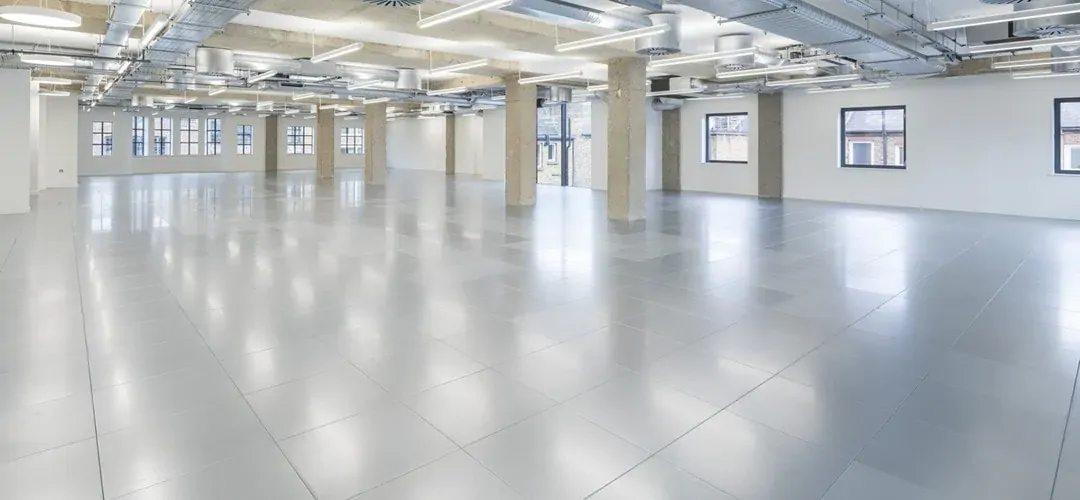 Benefits of Raised Access Floors in Large Commercial Spaces
The incorporation of raised access floors can greatly enhance the performance of a commercial building:
Space Optimization
The area underneath raised floors can be used to conceal various building services, maximizing usable space.
HVAC and Cooling Efficiency
Raised access floors enhance cooling systems by distributing airflow beneath the floor., particularly in spaces such as server rooms and office buildings, where effective cooling is paramount.
Aesthetic and Design Flexibility
Raised access floors allow for a clean, neat appearance in the office space. Designers can choose various finishes that align with the building’s aesthetic without compromising functionality.
Key Considerations When Choosing a Raised Access Floor Supplier
Choosing the right supplier is critical to ensuring your raised access floor system performs well and meets project timelines. Consider these factors:
1. Experience in the Industry
A supplier with years of experience is likely to provide high-quality products and services. They will understand the challenges specific to commercial spaces and offer practical solutions.
2. Product Quality and Durability
Ensure the supplier offers durable and high-quality materials. This will ensure the longevity and efficiency of the system.
3. Cost-Effectiveness
While opting for the cheapest supplier might seem tempting, always evaluate the total value, including durability, installation, and post-sales support.
4. Customization Options
Depending on the project requirements, you may need customized solutions. Look for suppliers who can offer flexible systems that suit your specific needs.
Top Features to Look for in Raised Access Floor Systems
When selecting a raised access floor system, consider these top features:
Load-Bearing Capacity
The system should be able to support heavy equipment, especially in spaces like data centers.
Acoustic Insulation
In noisy environments, raised access floors with acoustic properties can help in noise reduction.
Fire Resistance
Fire-rated materials are essential in commercial buildings to ensure safety.
Easy Installation
The ease of installation is a crucial factor that can impact your project timeline.
![commercialraised panel]()
The Role of Technology in Modern Raised Access Floors
In today’s digital age, technology plays a significant role in raised access floors. From smart floor panels that can integrate with building management systems to the use of
innovative materials for enhanced strength and environmental performance, technology is constantly pushing the boundaries of what's possible.
How to Identify a Reliable Raised Access Floor Supplier
To find the right supplier, keep these points in mind:
1. Reputation and Reviews
Always check customer reviews and ratings. Word-of-mouth recommendations are invaluable.
2. Certifications and Standards Compliance
Ensure the supplier follows industry standards and holds necessary certifications, like ISO or CE certification.
3. After-Sales Support
A good supplier will offer continuous support after the installation, ensuring your system performs optimally.
Challenges in Selecting the Right Raised Access Floor Supplier
Choosing the best supplier is not without its challenges:
Budget Constraints
Raised access floors can be a significant investment, and sticking to a budget is often a challenge.
Managing Logistics and Timelines
Large commercial projects have tight schedules, and delays can cause significant disruptions.
Compatibility with Existing Infrastructure
Ensuring the system integrates seamlessly with the existing building infrastructure is key.
The Cost of Raised Access Floors for Large Commercial Projects
The cost of raised access floors varies depending on several factors:
Initial Investment
Typically, raised access floors involve a higher initial investment compared to traditional flooring systems.
Long-Term Savings
While the upfront cost may be high, the durability and ease of maintenance can lead to significant savings over time, especially in large spaces.
Factors that affect cost include material quality, floor design, and installation complexity.
Sustainability in Raised Access Floor Systems
Sustainability is becoming a key consideration in all construction projects. Raised access floors can contribute to sustainability by using eco-friendly materials, reducing the need for frequent replacements, and improving energy efficiency, especially in commercial buildings.
Case Studies: Successful Installations of Raised Access Floors in Large Commercial Projects
Let’s look at some real-world examples:
Data Centers
Raised floors are indispensable in data centers, providing effective cable management and cooling solutions.
Office Buildings
Raised access floors are increasingly used in office spaces to allow flexibility in office layouts and to hide the necessary infrastructure.
Hospitals
In hospitals, these floors improve air circulation and ease the maintenance of complex systems like power and medical gases.
Steps to Take When Planning a Raised Access Floor Installation
Follow these steps for a smooth installation process:
1. Initial Consultation and Site Assessment
Work with the supplier to assess the space and determine the requirements.
2. Design and Customization Process
Customize the raised floor system according to your project’s unique needs.
3. Installation and Post-Installation Care
Ensure that the installation is done according to plan and provide ongoing maintenance for optimal performance.
How Raised Access Floors Contribute to Building Certifications
Raised access floors can significantly enhance a building's credentials in terms of sustainability and environmental responsibility. For instance, a building with an efficient underfloor air distribution system is likely to earn
LEED certification
or other green building certifications.
Maintenance of Raised Access Floors
To keep the system running smoothly, regular inspection and cleaning are essential. Ensuring no obstructions are present in the underfloor space will help maintain airflow and system performance.
Conclusion
Choosing the right raised access floor supplier is critical for the success of any large commercial project.At Dawn , our expertise spans the full spectrum, By understanding the role these systems play in optimizing space, improving cooling, and enabling easy maintenance, you can make an informed decision that will benefit your project for years to come. Consider all factors—from cost to sustainability—and partner with a supplier who offers quality, reliability, and excellent customer service.


