The Ultimate Guide to Choosing the Right Raised Access Floor Manufacturer
If you’re involved in any large-scale construction project, be it an office building, a data center, or a hospital, you’ve likely come across the term raised access floor. It’s an essential feature in modern infrastructure that brings with it a variety of benefits, including increased flexibility, accessibility, and space efficiency. However, choosing the right raised access floor manufacturer can be crucial to the success of your project.
In this guide, we’ll take you through everything you need to know about raised access floors—what they are, why they’re so important, and how to choose the right manufacturer for your needs.
What is a Raised Access Floor?
Definition of Raised Access Floors
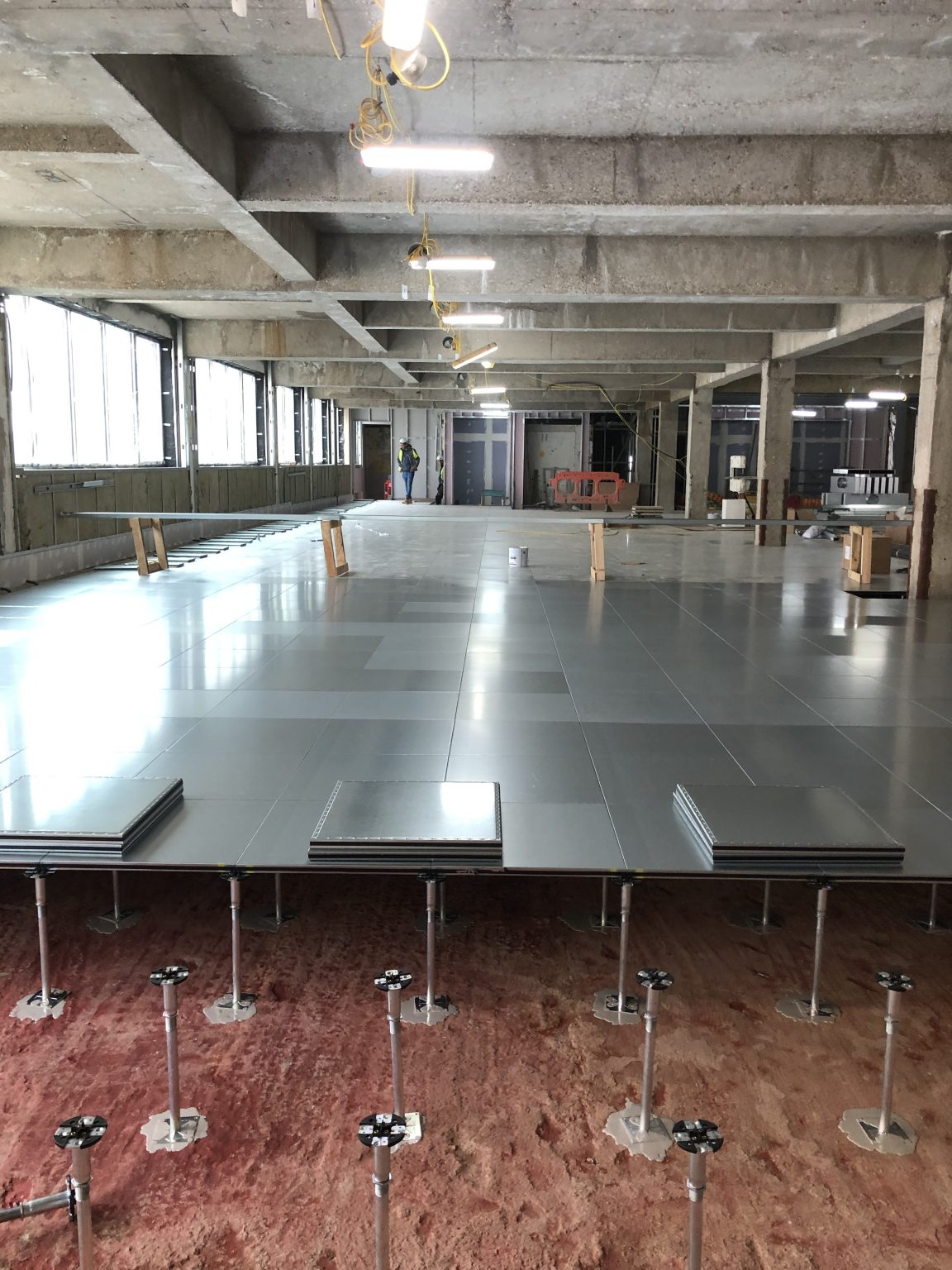
A raised access floor is a flooring system that’s elevated above the building’s subfloor to create a space for the passage of electrical wiring, cabling, HVAC systems, and other essential infrastructure elements. It’s typically used in commercial and industrial environments where easy access to underfloor systems is crucial.
How Raised Access Floors Work
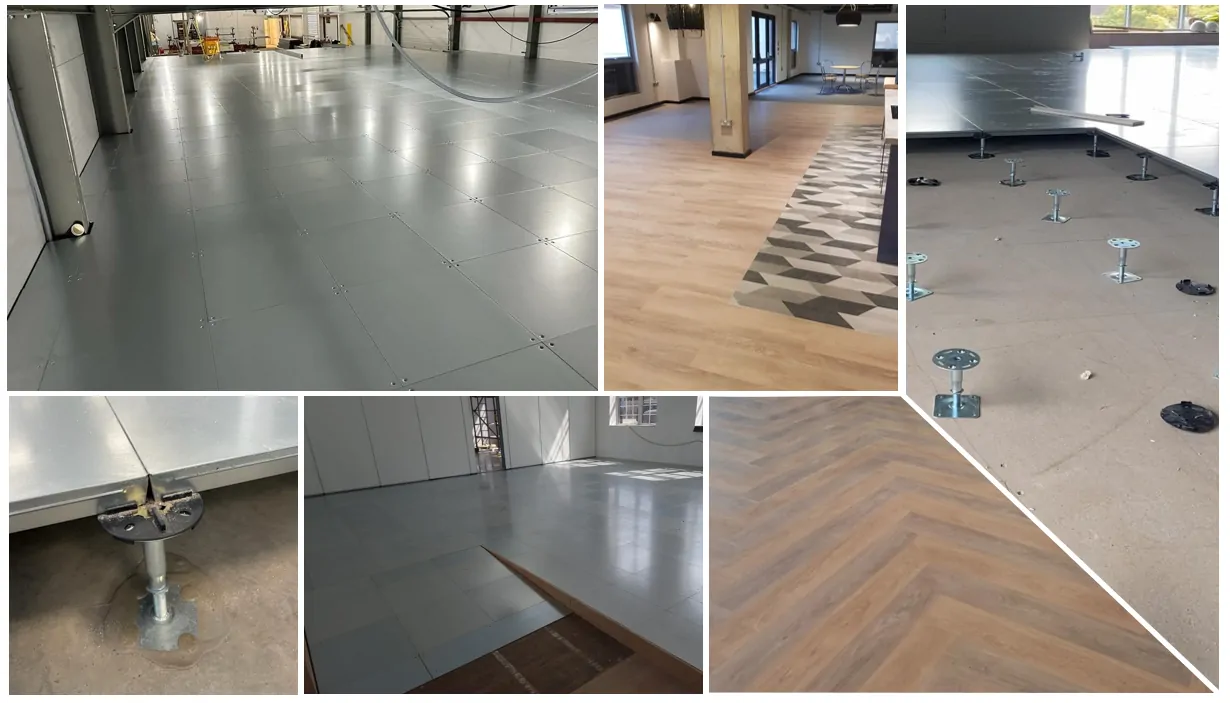
Raised access floors consist of panels that sit on a grid of support pedestals, creating a cavity beneath the floor. This cavity provides a passageway for electrical wiring, data cables and HVAC ducting, facilitating the installation and maintenance of these systems. The panels can be easily lifted, offering quick access to the space below.
Why Choose a Raised Access Floor?
Benefits of Raised Access Floors
Enhanced Flexibility – Raised access floors allow you to easily change the layout of cables, wires, HVAC systems can be installed without requiring major renovations..
Improved Cooling and Ventilation – The space beneath the floor can be used for air circulation, improving the cooling of sensitive equipment in spaces like data centers.
Aesthetic Appeal – With the cables and wires neatly concealed beneath the floor, the overall appearance of the space is cleaner and more organized.
Cost Efficiency and Maintenance
In the long run, raised access floors can reduce the costs associated with re-wiring and re-cabling. They also require less maintenance than traditional systems, as any issues can be addressed without tearing up the entire floor.
Factors to Consider When Choosing a Manufacturer
Quality of Materials
When choosing a raised access floor manufacturer, the quality of the materials used is paramount. Look for manufacturers who use durable materials such as steel, aluminium or wood-core panels, which can withstand heavy foot traffic, high-tech equipment, and long-term use.
Customization Options
Not all raised access floors are created equal. Depending on the needs of your building, you might need customized flooring solutions. Some manufacturers offer customized panel sizes, finishes, or load-bearing capacities to suit specific requirements.
Industry Experience
A manufacturer's level of experience in the industry can speak volumes about their reliability. Manufacturers with years of experience are likely to offer better solutions and know how to meet your unique needs.
Types of Raised Access Floors
Steel vs. Aluminum Panels
One of the key decisions when selecting raised access floors is the choice between steel and aluminum panels. While steel panels are often stronger and more affordable, aluminum panels are lighter and resistant to corrosion, which is particularly important in data centers or areas exposed to moisture.
Wood-Core vs. Calcium Sulfate Panels
The core material used in the floor panels can also affect performance. Wood-core panels are often used for general office spaces due to their cost-effectiveness, while Calcium Sulfate panels offer better strength-to-weight ratios and are ideal for heavy-duty applications.
How to Evaluate a Raised Access Floor Manufacturer
Check for Certifications and Standards
A reputable manufacturer will comply with international quality standards such as ISO and UL certifications. These certifications ensure that the manufacturer’s products meet specific quality, safety, and environmental standards.
Assessing Past Projects and Portfolio
Look at the manufacturer’s past projects to see if they’ve worked on similar facilities or projects. A solid portfolio can offer an insight into a person's experience and the quality of their work.
Understanding the Installation Process
Pre-Installation Considerations
Before the installation of the raised access floor, you need to consider the layout, cable management requirements, and flooring finishes. Make sure the manufacturer provides you with comprehensive pre-installation guidance to help you plan..
Step-by-Step Installation Process
The installation of raised access floors typically follows a well-defined process:
Preparation – Survey the site and prepare the subfloor.
Pedestal Installation – Install the pedestals that will support the panels.
Panel Placement – Place the panels on top of the pedestals, ensuring they’re level and secure.
Finishing Touches – Add the final finishes, such as edge trims and floor coverings.
Maintenance and Lifespan of Raised Access Floors
Routine Maintenance Tips
To ensure the longevity of your raised access floors, regular maintenance is necessary. This includes cleaning the panels, Check for any loose connections and ensure that the cavity is free of obstructions.
How to Extend the Lifespan
By following the manufacturer’s recommended maintenance guidelines and performing regular inspections, you can significantly extend the lifespan of your raised access floor system.
Top Raised Access Floor Manufacturers to Consider
Leading Brands in the Market
Some of the top manufacturers in the raised access floor industry include Haworth, Dawn, and Gerflor. These companies are known for their high-quality products, innovation, and customer service.
Customer Reviews and Reputation
One of the best ways to assess a manufacturer’s reliability is through customer reviews. Look for manufacturers that have a good reputation for quality and service, and consider speaking with past clients for insights.
![raised access floor]()
Conclusion: Making the Right Choice
When choosing the right raised access floor manufacturer for your project, consider factors like quality, cost, customization options, and experience. This can be achieved by understanding the key aspects of raised access floors and carefully evaluating potential manufacturers, you can ensure a smooth installation and long-lasting performance.
This concludes our guide on selecting the right raised access floor manufacturer. I hope you find this information helpful for your upcoming projects!