You are here:Home » Learning Center » Top 15 Raised Access Floor Manufacturer in Kenya You Should Know
Top 15 Raised Access Floor Manufacturer in Kenya You Should Know
Views: 0 Author: Site Editor Publish Time: 2026-09-07 Origin: Site
Introduction
Modern buildings are becoming more connected, flexible, and technology-driven. Behind almost every office, data center, financial institution, and commercial facility is a network of cables, electrical systems, communication lines, and other building services. But where should all of this infrastructure go?
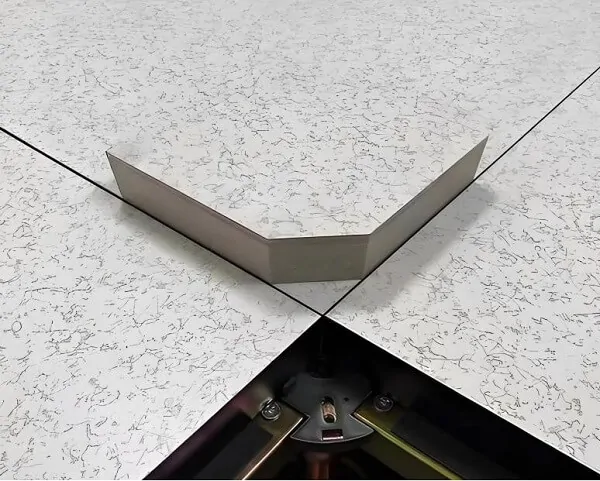
This is where a raised access floor becomes extremely useful. Instead of permanently embedding important services inside a concrete floor, a raised flooring system creates an accessible space underneath the finished surface. Individual panels can be lifted when maintenance, inspection, or future upgrades are required.
For construction and renovation projects in Kenya, selecting the right Raised Access Floor Manufacturer in Kenya can make a significant difference. A reliable manufacturer should provide more than standard floor panels. You need a complete system that combines structural performance, accurate manufacturing, suitable finishes, dependable pedestals, and practical technical support.
Driven by Kenya’s booming commercial‑construction activity, growing technology infrastructure, new‑build modern offices, financial facilities and data‑focused developments, demand for versatile building systems keeps rising. With modern buildings depending more heavily on electrical and communications networks, access‑floor systems turn into an ever‑more sensible option.
This guide features 15 notable raised‑access‑floor manufacturers and industry brands for those evaluating projects across Kenya. It offers a handy reference resource as architects, contractors, developers, distributors and project managers carry out research on elevated flooring solutions.
Why Raised Access Flooring Matters in Kenya
A raised access floor is more than a floor that sits above the structural slab. Think of it as a service highway running underneath the building. Power, data, communication, and other building services can use this hidden space without interfering with the finished surface above.
This becomes particularly valuable when a building needs to change.
Modern offices are rarely static. Companies move departments, add workstations, install new equipment, and redesign spaces. A floor that can accommodate these changes is often much more practical than a permanent flooring system that requires demolition whenever services need to be relocated.
A well-designed raised access floor can make maintenance easier, reduce disruption, and give a building greater flexibility throughout its service life.
Flexible Building Infrastructure
Flexibility is one of the biggest advantages of raised access flooring. Once the supporting structure is installed, individual panels can be removed to provide access to the service void below.
Imagine a large office where dozens of workstations need to be moved after a company expansion. With conventional construction, relocating electrical or data connections may involve significant disruption. With a properly designed raised floor, the same task can often be handled with considerably less structural interference.
That flexibility can translate into easier maintenance, shorter downtime, and a building that is better prepared for future changes.
Better Cable and Utility Management
Modern buildings can contain an enormous amount of infrastructure. Data cables, power lines, communication systems, and other services all require organized routes.
A raised floor gives designers another area to work with. For technology-heavy facilities, the underfloor space can become an important part of the overall building infrastructure strategy.
It also allows technicians to access selected areas without disturbing the entire floor surface, which can be especially useful in buildings where systems require regular inspection or modification.
What to Look for in a Raised Access Floor Manufacturer
Choosing a manufacturer should never be based on appearance or price alone. A raised access floor may look simple from above, but underneath it is a complete structural system.
Before making a decision, consider the manufacturer's production experience, product range, load performance, material quality, customization capabilities, technical documentation, and project support.
Product Quality and Structural Performance
The first consideration is structural performance. Panels need to withstand the loads expected in the building, including everyday foot traffic, office furniture, equipment, and potentially concentrated loads.
Panel construction, core material, steel components, pedestal design, and stringer configuration can all affect the final performance of the flooring system.
Manufacturing Capability
Consistent manufacturing is another important factor. Raised access floor panels need accurate dimensions so they fit together correctly during installation.
Small inconsistencies may seem insignificant when looking at one panel, but they can become frustrating problems when hundreds or thousands of panels are being installed.
A manufacturer with established production processes can provide greater confidence in consistency from one production batch to another.
Technical Support and Customization
No two projects share identical needs. The demands of a data centre stand apart from those of a corporate workplace, and financial facilities will often call for alternative solutions.
Custom‑tailoring options extend to panel build‑up, load‑capacity performance, finish selections, pedestal elevation, stringer systems, access needs and further technical particulars.
Suppliers who can collaborate on these requirements with architects, engineers, contractors and distributors prove especially helpful at the project specification stage.
Top 15 Raised Access Floor Manufacturers in Kenya
1. Tate
Tate is a well-known name in the raised access flooring industry and has extensive experience with environments where technology infrastructure is a major consideration.
Its flooring solutions have been associated with offices, data centers, and other technical facilities where cable management, equipment layouts, and service accessibility are important.
The company's long-standing experience makes Tate one of the names commonly considered when international raised access flooring systems are being evaluated.
2. Dawn Modular Floor
Dawn Modular Floor is a manufacturer worth considering for projects that require flexible modular access flooring systems. Its product range can include solutions such as steel cementitious raised floors and calcium sulphate raised floors, allowing different projects to be approached according to their structural and functional requirements.
One practical advantage of working with a modular flooring manufacturer is the ability to consider the system around the actual project rather than relying on one standard configuration.
Panel specifications, finishes, load requirements, pedestal heights, and installation conditions can all influence the final solution.
For Kenyan projects, this type of flexibility can be useful when architects, contractors, or distributors need to balance technical performance with project-specific requirements. Dawn Modular Floor therefore fits naturally into the conversation when comparing international raised access floor manufacturers.
3. Kingspan
Kingspan is a major international building products company with a broad portfolio serving modern construction projects.
Its experience across different building technologies gives it a strong position among manufacturers considered for commercial and technical environments.
When evaluating international manufacturers, Kingspan can appeal to project teams looking for an established supplier with experience across multiple areas of building construction.
4. Lindner
Lindner has extensive experience in interior construction and raised access flooring. Its systems are associated with offices, commercial buildings, data centers, and other environments where technical performance and interior design need to work together.
One of Lindner's strengths is its ability to view the floor as part of a wider interior system.
This can be useful for projects where flooring, ceilings, partitions, and other architectural elements need to create a consistent overall environment.
5. MERO-TSK
MERO-TSK is an established European manufacturer known for technical flooring and modular construction solutions.
Its raised access floor systems can be used in commercial spaces, technical rooms, data environments, and other specialized facilities.
The company is particularly worth considering when a project requires an engineered system rather than a basic flooring product. Structural requirements, service access, equipment loads, and the overall building design can all influence the appropriate specification.
6. JVP
JVP is associated with raised access flooring systems for commercial and technical applications.
Its product range can accommodate different panel constructions and project requirements, making it relevant to a variety of building types.
For projects in Kenya, JVP may be considered when the design team is looking for a balance between structural performance, accessibility, and finished-floor appearance.
7. Polygroup
Polygroup provides modular flooring solutions for a range of applications. Raised access floors are particularly useful where building services need to remain accessible beneath the finished floor.
The modular principle is straightforward but powerful.
Instead of permanently locking infrastructure into the structural slab, the building gains a service zone that can be reached through removable panels.
This can make future maintenance easier and can give facility managers more flexibility when electrical and communication systems need to be changed.
8. Access Floors Distribution
Access Floors Distribution is associated with the supply of raised access flooring systems and related project components.
It can be relevant to contractors, distributors, and project teams looking for access floor products and supporting components.
When considering a supplier in this category, buyers should examine the complete system rather than only the visible panel.
Pedestals, stringers, accessories, finishes, delivery arrangements, and technical support all deserve attention.
9. Haworth
Haworth is widely recognized for workplace design, office furniture, and commercial interiors.
Its relevance to raised access flooring comes from the close relationship between flexible workplaces and flexible building infrastructure.
Today's offices are designed around movement and adaptability. Furniture layouts change, teams grow, and technology requirements evolve.
A flooring system that supports this flexibility can complement a modern workplace strategy and make future changes easier to manage.
10. CBI Europe
CBI Europe has experience in raised access flooring and related technical flooring solutions.
Its products can be relevant for offices, commercial buildings, technical spaces, and other applications requiring accessible underfloor services.
For international buyers, manufacturers with experience across multiple applications can provide useful alternatives when comparing flooring specifications for different types of buildings.
11. Global IFS
Global IFS focuses on raised access flooring systems for commercial and technical environments.
Its solutions are designed around the basic principle of providing accessible space beneath a finished floor.
This type of system is particularly relevant in technology-driven buildings where power and communication infrastructure may need to be modified throughout the life of the facility.
12. Unitile
Unitile is another manufacturer associated with raised access floor systems and modular flooring solutions.
Its products can be considered for offices, commercial buildings, technical areas, and other facilities requiring underfloor access.
Project teams comparing Unitile with other manufacturers should look closely at panel construction, load ratings, finishes, pedestal systems, and installation requirements rather than making a decision based only on product appearance.
13. ASM Modular Systems
ASM Modular Systems specializes in modular flooring concepts and can be relevant for projects where adaptability and service access are important.
The modular approach is especially attractive for buildings that are expected to change over time.
Instead of treating the floor as a permanent barrier, the system becomes part of the building's long-term infrastructure strategy.
14. Porcelanosa
Porcelanosa is widely known for architectural surfaces, interior finishes, and design-oriented building products.
Its broader relevance comes from the increasing demand for commercial spaces that combine technical performance with high-quality interior design.
For premium offices, hospitality environments, and commercial interiors, the visible surface of a raised floor can be just as important as the structure underneath.
A successful flooring solution should therefore balance practical performance with the visual expectations of the space.
15. Schneider Electric / Uniflair
Schneider Electric is strongly associated with electrical infrastructure, energy management, and data center technologies.
Uniflair, within the broader Schneider Electric portfolio, is connected with critical-environment infrastructure and cooling solutions.
This makes the brand relevant when considering data centers and other technology-intensive facilities where flooring, airflow, power, and equipment layouts need to be considered as part of a larger infrastructure strategy.
Types of Raised Access Floors for Kenyan Projects
Selecting a manufacturer is only the beginning. You also need to understand which type of raised access floor is appropriate for your application.
Different panel materials and constructions can provide different combinations of strength, weight, acoustic performance, fire performance, flexibility, and finishing options.
Steel Cementitious Raised Floors
Steel cementitious raised floors are widely considered for projects where durability and structural performance are important.
The steel construction provides a strong structural framework, while the cementitious core contributes to the rigidity and overall performance of the panel.
These systems can be suitable for offices, commercial facilities, equipment rooms, and other environments where the floor needs to withstand regular use and equipment loads.
Calcium Sulphate Raised Floors
Calcium sulphate raised floors offer another approach to access flooring.
These panels can provide a solid and stable surface and may be selected when specific acoustic, fire, environmental, or structural considerations are part of the project specification.
The correct choice should always be based on the complete project requirements rather than selecting a panel material simply because it is widely used.
Bare Access Floor Panels
Bare panels are often used when the final floor finish will be installed separately.
This can provide architects and interior designers with additional flexibility, particularly when the final appearance needs to match a wider interior design concept.
Depending on the project, bare panels may later receive carpet, vinyl, rubber, laminate, or other suitable finishes.
Carpet, Vinyl, and HPL Finishes
Carpet is a common choice for office environments because it creates a comfortable and professional appearance.
Vinyl can be attractive when easy cleaning and durability are important, while high-pressure laminate can provide a more refined commercial appearance.
The finish should be selected according to both design goals and practical requirements. A beautiful surface is useful, but it also needs to withstand the actual conditions of the building.
Applications of Raised Access Floors in Kenya
Raised access flooring can be found in many types of modern facilities.
Wherever building services need to remain accessible, the system can provide a practical advantage.
Data Centers and IT Facilities
Data centers are among the most obvious applications.
Servers, network equipment, power distribution, cooling systems, and communication infrastructure all require careful planning.
A raised floor can create an organized space beneath the equipment area and provide technicians with easier access to selected service routes.
For these projects, load performance, airflow requirements, panel construction, and access arrangements should all be considered during the design stage.
Offices and Commercial Buildings
Office environments are constantly evolving.
A business may change its layout several times throughout the life of a building. Departments move, workstations are added, and technology requirements change.
Raised access flooring allows electrical and data services to be routed below the finished surface, which can make workspace changes easier to manage.
This is one reason access flooring continues to be relevant in flexible commercial interiors.
Banks and Financial Institutions
Banks and financial institutions often rely heavily on secure technology infrastructure.
Computer equipment, communication systems, power supplies, and network connections all need reliable organization.
A properly specified raised floor can support the flexibility and accessibility required by technology-driven financial environments while helping keep service infrastructure organized beneath the finished floor.
Airports and Infrastructure Projects
Airports and other major infrastructure facilities can have demanding requirements for durability, maintenance, and service accessibility.
In these environments, flooring should be treated as part of the infrastructure rather than simply as an interior finish.
The final specification should take into account expected traffic, equipment loads, maintenance requirements, environmental conditions, and the type of services located below the floor.
How to Choose the Right Manufacturer
With so many manufacturers and suppliers available, how do you narrow down the list?
Start by matching the manufacturer's capabilities with your project's actual requirements.
Evaluate Load Requirements
Load capacity should be one of the first technical questions you ask.
Consider normal foot traffic, furniture loads, equipment loads, rolling loads, and concentrated loads where applicable.
A data center floor, for example, may need to support heavy equipment racks in addition to normal maintenance traffic. An office environment may have a very different loading profile.
Check Panel and Pedestal Quality
Never judge a raised access floor by the panel alone.
The complete system includes panels, pedestals, heads, stringers where applicable, and other accessories.
Think of it like a table. A strong tabletop is not enough if the legs are unstable.
The same principle applies to access flooring: the supporting system matters just as much as the visible surface.
Consider Installation and Delivery
International sourcing requires careful planning.
Before placing an order, consider production lead times, shipping arrangements, packaging, installation guidance, technical drawings, replacement panels, and spare components.
A manufacturer that communicates clearly during the early stages can help prevent problems later in the construction process.
Why Customization Is Important
Off‑the‑shelf standard products have their merits, but buildings rarely follow one‑size‑fits‑all standards.
Service void size, floor load performance, finish options, equipment layouts, pedestal heights and maintenance demands can show considerable discrepancies between different assignments.
Customisation empowers the flooring system to adapt to these variable conditions.
Instead of squeezing project conditions into ready‑made setups, a supplier can co‑create solutions aligned with the building’s actual technical needs.
This proves especially valuable for large commercial premises, technology sites, data centres, financial institutions and projects where architects and engineers provide comprehensive specification documents.
Conclusion
Choosing the right Raised Access Floor Manufacturer in Kenya requires more thought than simply comparing product prices.
The flooring system needs to support the building today while remaining flexible enough to accommodate tomorrow's changes.
Manufacturers such as Tate, Kingspan, Lindner, MERO-TSK, JVP, and others bring different levels of experience and product specialization to the international market.
Dawn Modular Floor takes the second spot in this list and is well worth evaluating for projects that emphasise modular build methods, adjustable specifications and a broad selection of raised floor systems. Its ranking underscores how adaptable flooring solutions are gaining greater relevance for today’s commercial and tech‑driven facilities.
A raised access floor sits unseen beneath foot traffic, yet it greatly shapes how smoothly a modern building functions. Making a well‑informed choice allows this hidden infrastructure to become one of the property’s most practical long‑term investments.
This website uses cookies and similar technologies (“cookies”). Subject to your consent, we will use analytical cookies to track which content interests you, and marketing cookies to display interest-based advertising. We use third-party providers for these measures, who may also use the data for their own purposes.
You give your consent by clicking "Accept all" or by applying your individual settings. Your data may then also be processed in third countries outside the EU, such as the US, which do not have a corresponding level of data protection and where, in particular, access by local authorities may not be effectively prevented. You can revoke your consent with immediate effect at any time. If you click on "Reject all", only strictly necessary cookies will be used.