Introduction
In today’s construction world, sustainability is no longer just a buzzword — it’s a necessity. As demand for green buildings increases, designers, engineers, and manufacturers are focusing on innovative ways to meet environmental goals. Raised floor systems are one such innovation, transforming how we think about building interiors and infrastructure.
In this article, we’ll explore raised floor systems from a manufacturer’s side and study how these systems are contributing to the future of green buildings. From reducing energy consumption to enhancing building adaptability, raised floor systems are playing an important role in sustainable architecture.
What Are Raised Floor Systems?
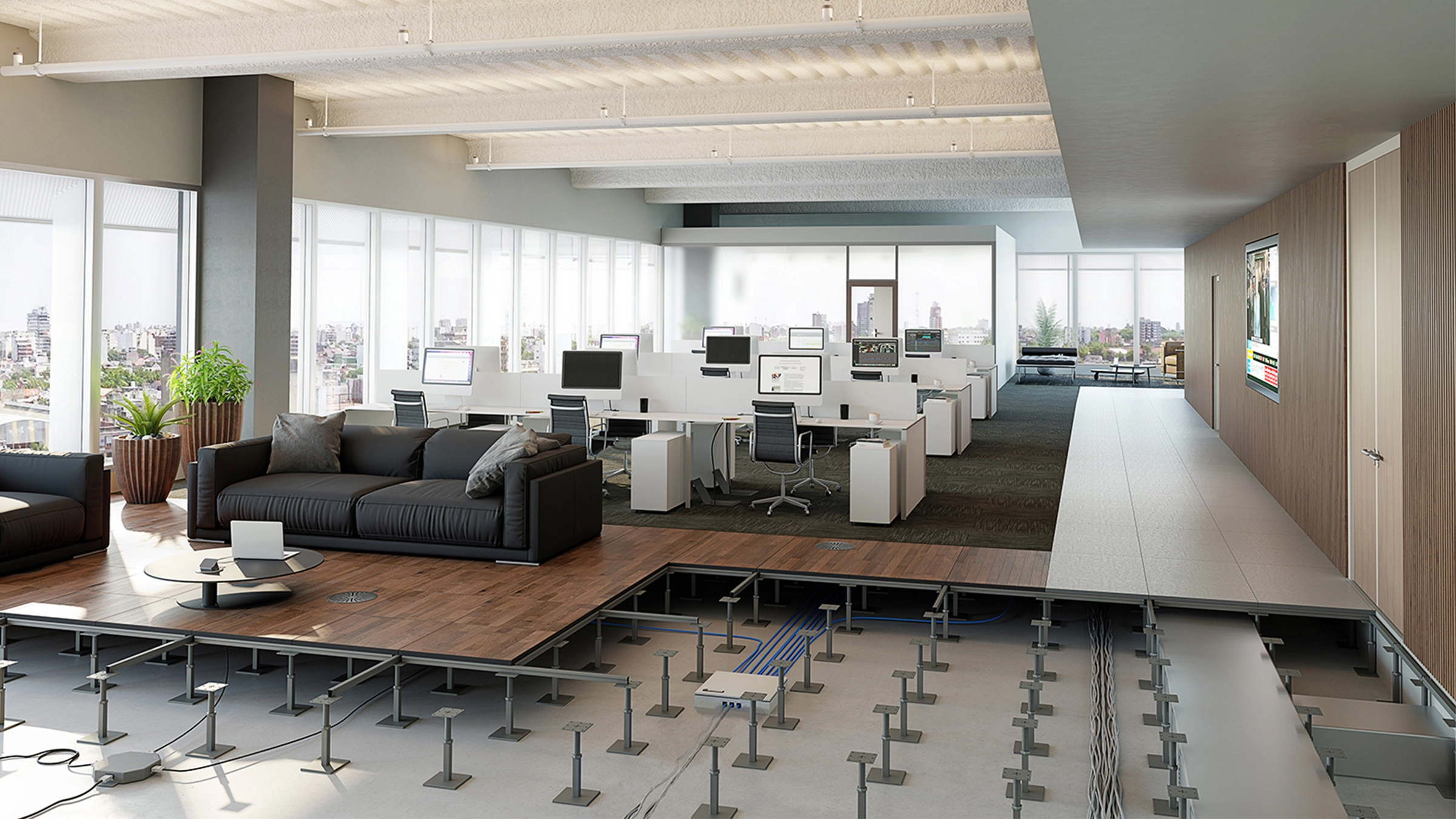
A raised floor system is a floor structure that is stand above the building’s concrete slab to create an accessible space for utilities such as electrical wiring, HVAC systems, and more. The floor panels installed on adjustable pedestals, which allow for easy replacement.
These systems are often modular, meaning that panels can be easily added or removed to adjust changes in infrastructure, making it highly flexible and scalable for green building projects.
Why Are Green Buildings Important Today?
The world is facing unprecedented environmental challenges. Green buildings are a response to these challenges, designed to minimize their environmental footprint while maximizing energy efficiency and sustainability. Raised floor systems, with their energy-efficient properties, are an important component of this movement, providing both short-term and long-term benefits for building occupants and the planet.
Understanding Raised Floor Systems
What Makes Raised Floor Systems Different?
Traditional flooring systems are solid and immovable, but raised floors are designed to be adaptable. They offer a unique solution for managing the complex networks of wires, pipes, and cables that run throughout modern buildings. Raised floors can suitable to air distribution, lighting, and even underfloor heating, offering both practical and aesthetic benefits to green buildings.
Basic Components of Raised Floor Systems
At the core of a raised floor system are:
Floor Panels: These are the surfaces that make up the actual floor. They can be made from a variety of materials, including steel, aluminum, and wood composite.
Pedestals: Pedestals support the floor panels and can be adjusted to achieve the desired height, creating a hidden space beneath.
Grating and Perforated Panels: These components ensure proper airflow within the raised floor system.
Together, these components allow for flexibility in building design while maintaining a clean, organized look for the building's interior.
![Raised floor]()
The Growing Demand for Green Buildings
What Are Green Buildings?
Green buildings are designed with an emphasis on energy efficiency, sustainability, and environmental performance. They often apply renewable energy sources, eco-friendly materials, and efficient systems for heating, cooling, and lighting.
Change to Sustainability in Construction
Withs cities growing and the need for more sustainable development becomes urgent, raised floor systems are emerging as an important solution for green buildings. The ability to improve air quality, reduce energy usage, and accommodate flexible building designs makes them indispensable in the construction of green buildings.
Key Benefits of Raised Floor Systems in Green Buildings
Improving Indoor Air Quality
Raised floor systems improve indoor air quality (IAQ) by enhancing ventilation. The space beneath the floor can be used for air distribution, allowing for better circulation throughout the building. This helps maintain optimal temperature and humidity levels while reducing the risk of indoor air pollution.
Energy Efficiency and Reduced Consumption
One of the outstanding benefits of raised floor systems is their ability to make full use of energy. By accommodating efficient heating and cooling systems, they ensure that energy consumption is minimized, leading to significant savings in operational costs. Additionally, underfloor air distribution can improve thermal comfort, reducing the need for excessive heating or cooling.
Future-Proofing Infrastructure
Raised floor systems are designed for adaptability. As building needs change over time, these systems allow for easy adjustments to utilities and infrastructure without significant disruption. This future-proofing is a major advantage, as it allows for upgrades and improvements without the cost of a full renovation.
Environmental Benefits of Raised Floor Systems
Sustainability of Materials
Manufacturers of raised floor systems are increasingly using sustainable materials such as recycled steel, aluminum, and composite woods. These materials contribute to the green building movement by reducing reliance on virgin resources and ensuring the systems themselves have a minimal environmental footprint.
Reduced Carbon Footprint
By enhancing energy efficiency and extending the lifecycle of a building’s infrastructure, raised floor systems help reduce the overall carbon footprint of the building. The ability to maintain a more controlled environment and minimize energy waste is a key advantage for environmentally buildings.
How Raised Floor Systems Improve Building Flexibility
Adaptability to Changes
One of the main reasons raised floors are preferred in green buildings is their flexibility. They allow for quick modifications to accommodate changes in building use or technology without the need for costly and time-consuming construction projects.
Modularity and Ease of Installation
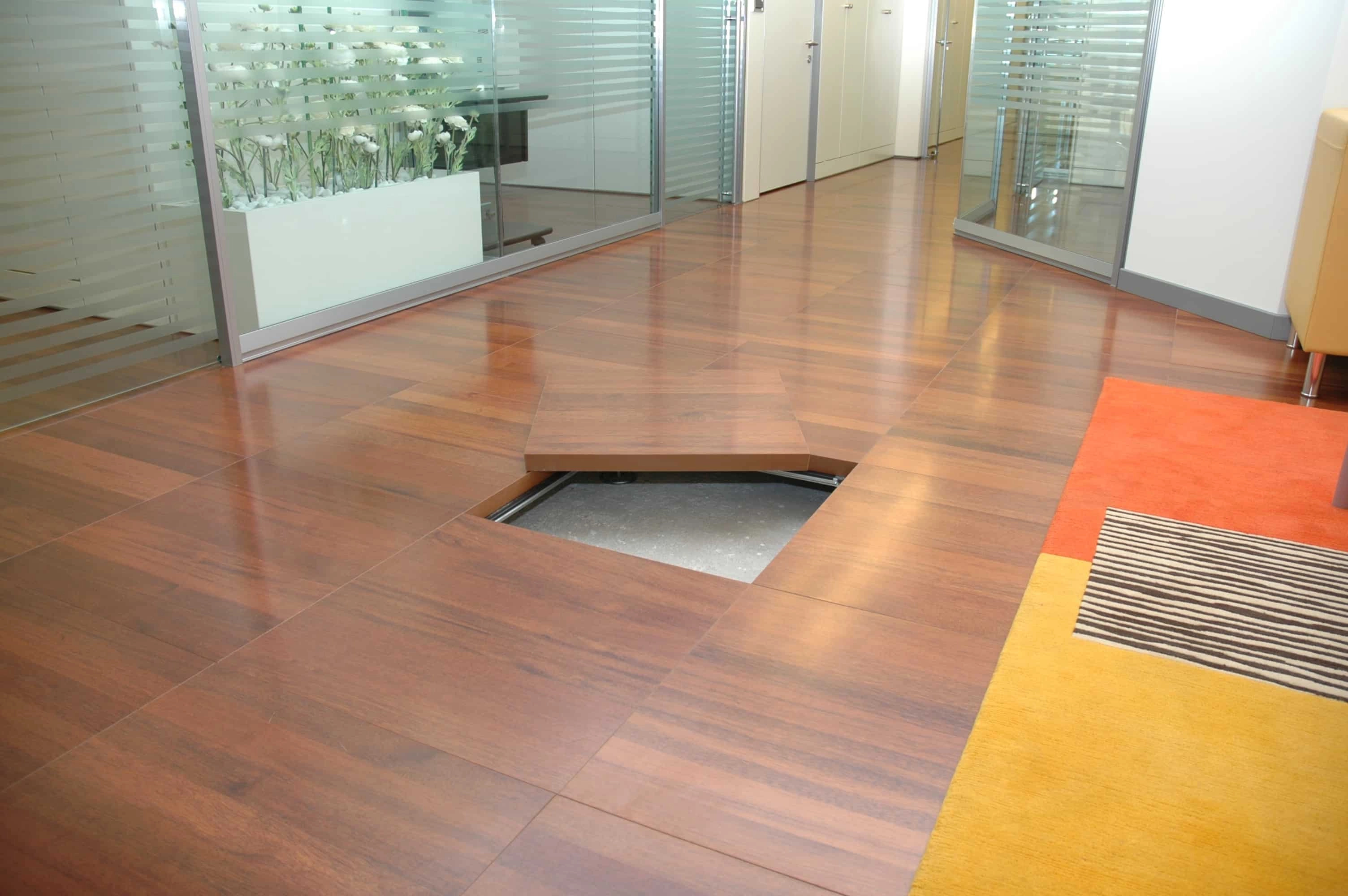
Raised floor systems are modular, meaning they can be installed in sections, and every panel can be removed or replaced as needed. That reduces construction waste and allows for quicker installation compared to traditional flooring systems.
![raised-floor]()
Technological Innovations in Raised Floor Systems
Smart Floor Solutions
With the demand for smart buildings grows, raised floor systems are evolving to include advanced technologies. For example, sensors can be installed into the floor panels to monitor temperature, humidity, and occupancy, providing real-time data to make full use of energy use and improve building management.
Integration with Building Management Systems
Modern raised floor systems are designed to integrate seamlessly with building management systems (BMS). This integration allows for better coordination of heating, cooling, and lighting, ensuring that energy is used efficiently throughout the building.
Manufacturing Raised Floor Systems for Green Buildings
Sustainable Manufacturing Processes
Nowdays manufacturers focus on sustainability not only in their choice of materials but also in how to produce. By waste reduction, lower energy usage, and material recycling, they are making raised floor systems comply with green building principles throughout the entire manufacturing process.
Materials Used in Raised Floor Production
Manufacturers choose materials that have a lower environmental impact, such as recycled steel, sustainable wood products, and eco-friendly adhesives. These materials are not only sustainable but also durable, ensuring that the systems last longer and require less maintenance.
Challenges in Manufacturing Raised Floor Systems
Material Sourcing Challenges
Although the demand for sustainable materials is growing, looking for these materials sometimes can be difficult. Manufacturers must ensure that they meet environmental standards without decrease on the strength and quality of the raised floor systems.
Ensuring Durability and Compliance
Strict building codes and regulations apply to raised floor systems, meaning manufacturers need to ensure their products boast durability, safety, and compliance with standards like LEED and BREEAM. These demands can sometimes introduce complexity into the manufacturing workflow.